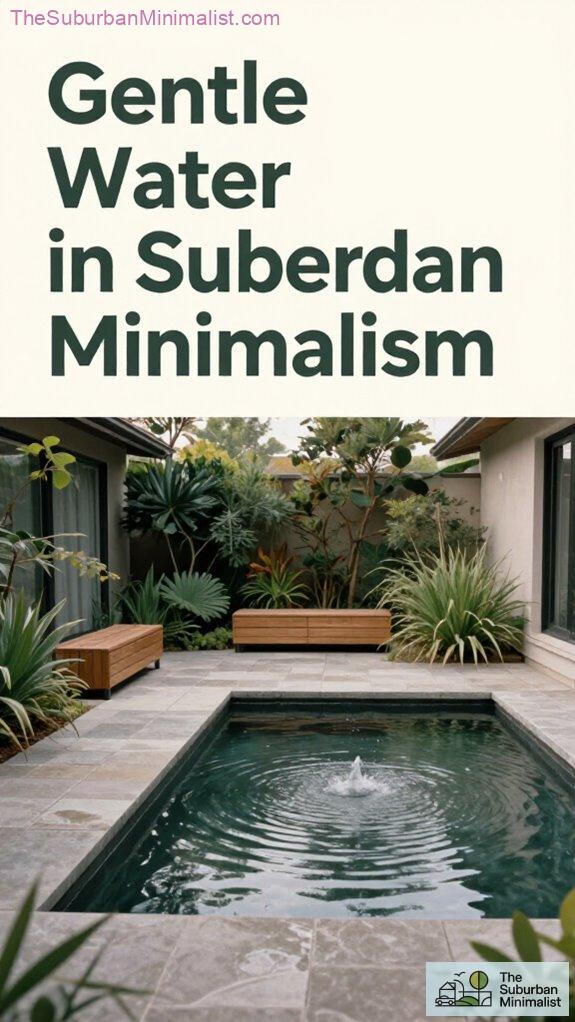
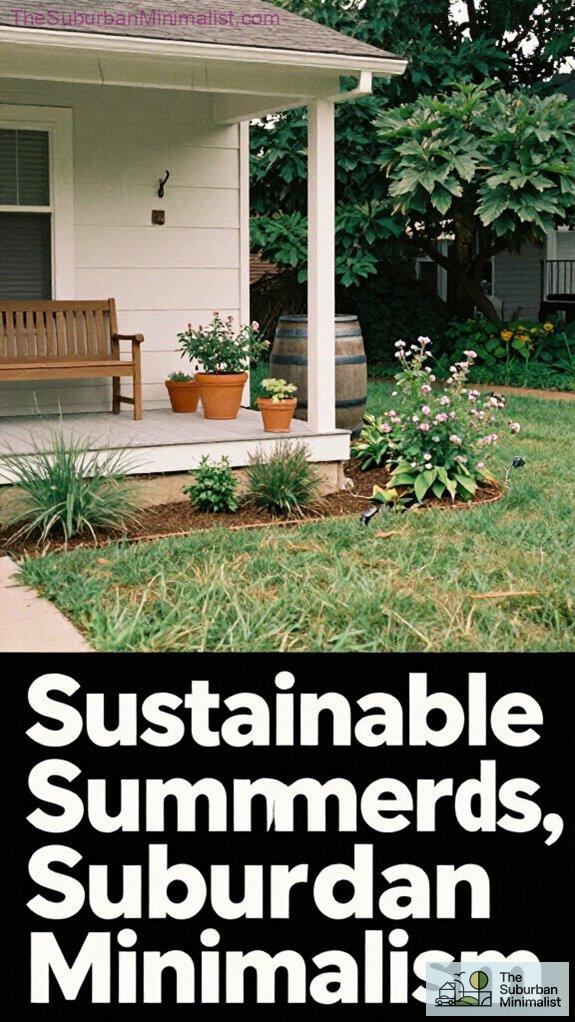
My backyard went from boring to thriving—turns out, you don’t need much.
I ditched the lawn obsession. Native plants. Rain barrels. Bee hotels that actually work. Neighbors started asking questions instead of judging my “messy” garden. That’s when it clicked: people crave this stuff.
So I built The Suburban Minimalist. A guide for doing more with less—without the guilt or the Instagram aesthetic.
—
Sustainable Urban Gardening: When Less Becomes Everything
Last spring, I composted my first season’s kitchen scraps. Sounds anticlimactic, but watching that black gold transform into soil? Life-changing. My small-space vegetable garden now feeds my family three days a week. I’m saving money. My carbon footprint shrunk. The act of growing food—even in containers—rewired how I think about consumption and waste reduction. Ecological minimalism isn’t about deprivation. It’s about intentionality, rewilding small spaces, and building genuine community through shared values around sustainable living and environmental stewardship.
Quick Takeaways
- Work with the yard daily, prioritizing gentle, mindful interaction and small, purposeful adjustments to foster ecological harmony.
- Support pollinator habitats with varied bee hotels, flowering plants, water features, and accessible, well-placed design elements.
- Harvest and use rainwater with modern barrels, mulch wisely, and group plants by moisture to conserve resources gracefully.
- Create serene, wildlife-friendly spaces with native plantings, wildflower corridors, water features, and thoughtful lighting.
- Embrace minimalism through calm design, vintage textures, organized storage, and community-minded practices that sustain ecosystems.
What Ecological Balance Looks Like in a Suburban Garden
In my suburban garden, ecological balance isn’t a grand experiment but a daily, quiet partnership with the yard I actually live in. I watch pollinators skitter between labeled heirloom herbs, and I smile at how organic materials feed the soil. Incorporating sustainable gardening practices helps maintain this delicate equilibrium and supports local biodiversity.
A personal color analysis approach reminds me to appreciate the subtle harmony of warm undertones in my plants, blending naturally with the environment.
Home automation gently nudges irrigation, not overrules it, preserving moisture without waste. I mix compost, dried leaves, and mulch, naming each layer like a small vow to the earth.
Evaluate Sun, Drainage, and Nectar Supply for Bee Hotels
Sunlight matters just as much as shelter when I’m planning bee hotels, because the whole idea hinges on how our tiny guests use the space. I test sun paths at noon, imagining little wings sipping warmth, then tweak placement to balance shade and glare. Providing a variety of natural toys in the environment can help bees and other pollinators stay engaged and healthy. Incorporating family traditions that celebrate seasonal changes can also foster a sense of community and connection among helpers and humans alike.
Sunlight guides bee hotels as much as shelter, shaping cozy, warm nooks for tiny travelers.
Drainage matters too; a puddle-free fabric of soil keeps nests dry and happy. Nectar supply isn’t romance, it’s logistics—wildflowers, asters, and late bloomers line the corridor like Wildlife corridors guiding tiny travelers home.
Soil enrichment from digging bees feeds neighbors, boosting blooms and soil structure.
Curious readers, isn’t balance the simplest luxury we can craft together?
Pick Bee Hotel Designs That Fit a Bio-Minimalist Yard
Ever wondered which bee hotel design slips into a bio-minimalist yard without shouting for attention? I’m choosing shapes that feel like furniture, not fixes, so Urban wildlife can browse in peace.
I’m drawn to modular cans and hollowed logs tucked behind evergreens, a quiet invitation that doesn’t shout “eco-me.” Do these designs support Biodiversity corridors along fences and trellises, weaving tiny habitats into daily life? Creating harmonious garden elements helps these habitats blend seamlessly into the garden’s overall aesthetic.
I’ve learned, slowly, that subtlety matters, and so do textures you can touch. Incorporating wildlife-friendly features like bee hotels ensures these habitats blend seamlessly into the garden’s overall aesthetic. Why I created this website The Suburban Minimalist? to show how care fits inside a calm, chic garden.
Integrate Bee Hotels With Plants and Water Features
Bee hotels mingle with petals and water features the way friends do at a backyard gathering—quiet, inviting, and a little unexpected in the best possible way. I pair bee hotels with cascading plants and a shallow fountain, imagining pollinators sipping and neighbors sighing at the calm. Including smart storage solutions can help keep garden tools and supplies organized so that your space remains clean and accessible. Have you considered urban composting beneath a trellis? It sparks life while keeping waste out of sight. Using minimalist storage bins designed for outdoor use can further reduce clutter and maintain the serene aesthetic. I also rely on solar garden lighting, turning dusk into a soft stage for tiny wings. This is how I design: practical, poetic, and linked to The Suburban Minimalist—crafted, not cluttered. Wouldn’t you try it tonight?
Place Bee Hotels for Accessibility, Safety, and Beauty
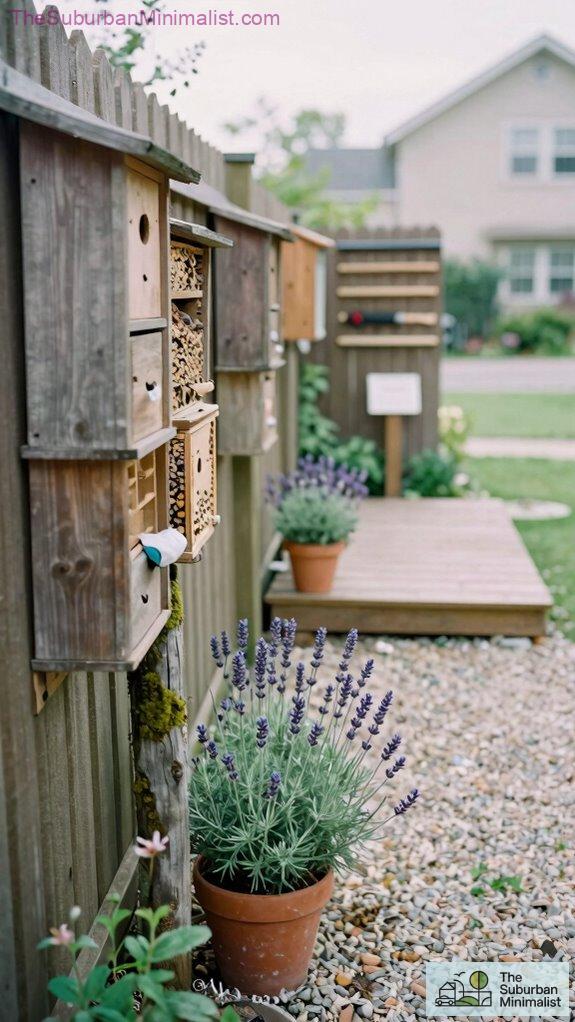
We place bee hotels where they’re easy to spot, but not so obvious that they shout for attention. I’ll admit, I love the moment you notice a tiny entrance stack, then realize it’s part of a bigger signal: urban wildlife thriving alongside us.
I place them where paths connect, turning fences into pollinator pathways that feel hopeful rather than hurried. Accessibility matters—raised boxes, clear signs, safe perches—so kids and neighbors notice without fear. Do you hear the hum and feel the quiet power? Incorporating wall-mounted yoga mat racks can add a touch of organization and style to these mindful spaces.
This design mirrors how I created this website, The Suburban Minimalist, with intention, texture, and playful balance. Incorporating wooden insect houses can further support local biodiversity and ecological balance in our gardens.
Maintain and Adapt the Bee Hotel Ecosystem Through Seasons
In keeping with the bee hotels I placed along the garden edges, I’ve learned that these little refuges demand steady care as seasons turn. I watch Urban pollinators flirt with shelter, then shift their needs as leaves fall or bloom.
I tweak cavities, add shallow water, and swap out coarse materials so warmth stays wrapped around the colony. I also recognize the importance of emotional attachment in maintaining the habitat because it encourages ongoing care and adaptability. How can we balance beauty with function, right? I avoid pesticide use, invite native nectar, and note how sunny corners flourish. Incorporating space-saving techniques like vacuum storage bags helps keep my gardening supplies organized, making it easier to adapt and maintain the habitat year-round.
This is how I blend design and nature, a habit I created called The Suburban Minimalist, seamlessly woven into every season.
Measure Impact and Adjust for Ongoing Balance
If I’m honest, measuring impact isn’t a sermon about numbers; it’s a quiet check-in with how our spaces actually feel after a season of tweaks.
- Track Urban farming yields and plant health, noting scent, color, and resilience.
- Monitor Indoor air quality with simple tests, then adjust ventilation and plant placement.
- Note mood shifts during room use, letting comfort guide tweaks.
- Reassess waste, reuse, and recycling habits to tighten our ecological loop.
- Pay attention to minimalist wardrobe choices to reduce clutter and promote sustainable habits.
- Incorporate a mindful approach by observing decision fatigue, understanding how simplifying choices can foster ongoing balance.
Have you felt the difference in light, scent, and calm after a small change? This is the balance I’m chasing—like a mindful pause before the next upgrade. The Suburban Minimalist.
Sustainable Rain Barrels for Curbside Care
Sustainable rain barrels aren’t just a storage trick; they’re a small act of curbside diplomacy, quietly redefining how we talk to our gardens and our neighbors. Incorporating modern rain barrels into our routines ensures efficient rainwater harvesting and reduces water waste. I’m a 40ish homeowner who loves clean lines and a touch of whimsy, and I’ve learned that urban horticulture thrives with purpose beyond aesthetics. These barrels cut water waste while teaching us patience and rhythm in watering. Water conservation becomes a shared habit, not a punishment. Small changes like eco-friendly minimalism can significantly impact our environmental footprint. Have you tasted rain-fed resilience lately? I created this website, The Suburban Minimalist, to chronicle such shifts—and I’m inviting you to join the conversation. Let’s care together.
Native Plant Stormwater Plan
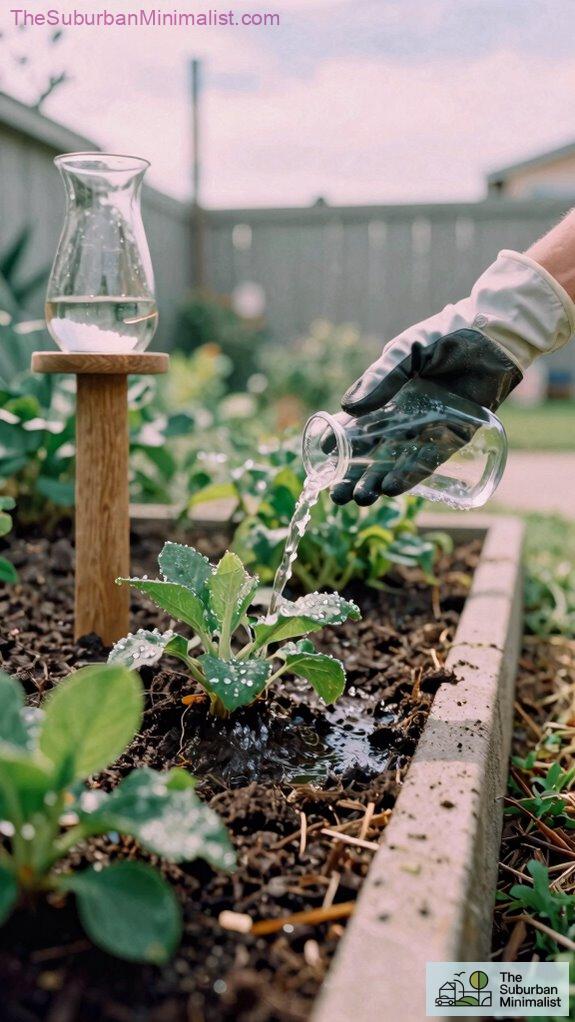
When I think about rainwater and the way it opens up our yards, I can’t help but smile at how native plants sip it like they’re meant to be here. Native habitat nourishes our spaces, and water conservation becomes natural poetry rather than chores. Incorporating a variety of minimalist fashion inspiration elements can enhance the simplicity and elegance of sustainable landscaping too.
By selecting stylish glass bedside carafe sets, you can add a touch of understated elegance to your space while practicing eco-friendly habits.
- Choose regional natives that tolerate wet and dry spells
- Group plants by moisture needs to guide overflow paths
- Mulch to slow runoff and feed soil life
- Install shallow swales to capture drips without dulling design
Have you noticed how these tweaks rewrite curb appeal? I created this website The Suburban Minimalist to share that quiet, practical magic.
Whispering Fern Shade Garden
Whispering Fern Shade Garden is my quiet rebellion against the glare of blazing summer—a cool retreat where ferns cradle the light with soft, swooping fronds and pockets of shade feel almost ceremonial. A variety of native plants harmonize with the environment, enhancing ecological balance. Do you feel the same pull toward gentler air? I mix patience with play, sketching Wildflower corridors between stepping stones, inviting bees and calm. Urban composting sits nearby, turning yesterday’s scraps into tomorrow’s mulch, a small act with big meaning. I built this space to slow time, to whisper to visitors about simple elegance. Proper lighting controls, like modern smart light switch covers, can further create a serene atmosphere while conserving energy. Why I created this website, The Suburban Minimalist, feels true, not loud.
Suburban Minimalism
Suburban Minimalism comes alive when I stop chasing bigger and shinier and start listening to the quiet in our hallways, the way a white oak bench invites a guest to linger rather than rush past.
Have you noticed how small choices ripple out, shaping mood and memory? I’ve learned to trust that rhythm.
- Choose Vintage textiles for texture, not volume
- Embrace Midnight architecture as a silhouette, not shock
- Curate surfaces that invite touch, not distraction
- Let daylight guide placement, not habit
Why I created this site, The Suburban Minimalist, feels natural in these rooms.
FAQ
How Can I Balance Aesthetics With Habitat Needs in a Small Yard?
I balance aesthetics with habitat needs by choosing native plants that delight visually and attract native pollinators, turning every inch into innovation. I design layered, drought-tolerant beds, sparse but striking, so native pollinators thrive alongside stylish, compact greenery.
Which Non-Invasive Species Provide Nectar Year-Round?
Native pollinators thrive with nectar year-round; I’d prioritize species that sustain blooms. I avoid Exotic plants, focusing on natives, and I’m curious how to design a resilient, innovative pollinator-friendly environment that supports continual nourishment for wildlife.
How Do I Budget Eco-Friendly Upgrades for a First-Time Gardener?
I’d start by prioritizing soil testing and water conservation, budgeting smartly with starter tools, rain barrels, and native seeds, because curiosity fuels growth. I’ll map costs, track receipts, and adjust as experiments prove what thrives—progress over perfection.
What Safety Considerations Matter for Urban Bee Hotels?
I prioritize safety by choosing durable Bee hotel materials and securing stable placements, because Pollination partnerships rely on sturdy, predator-safe sites; I also regularly inspect for pests, ensuring innovations protect bees while keeping your urban oasis secure.
How Can I Measure Biodiversity Improvements Over Time?
I measure biodiversity by tracking Pollinator corridors and Native plant diversity, then compare year-over-year gains. I’ll use standardized counts, flowering timelines, and visitation rates, adjusting interventions as needed to sustain innovative, data-driven ecological balance for pollinators.
Summary
So there you have it, eco-balance tucked into a tidy suburban life, where curtains sway like a gentle vote for simplicity. Do you notice how the garden hums when we pair bee hotels with a rain barrel and a smart, snackable plant list? I created this website, The Suburban Minimalist, not as a manifesto but as a nudge toward calmer choices that still feel stylish. If we can laugh while we prune, we’ve already won, right?