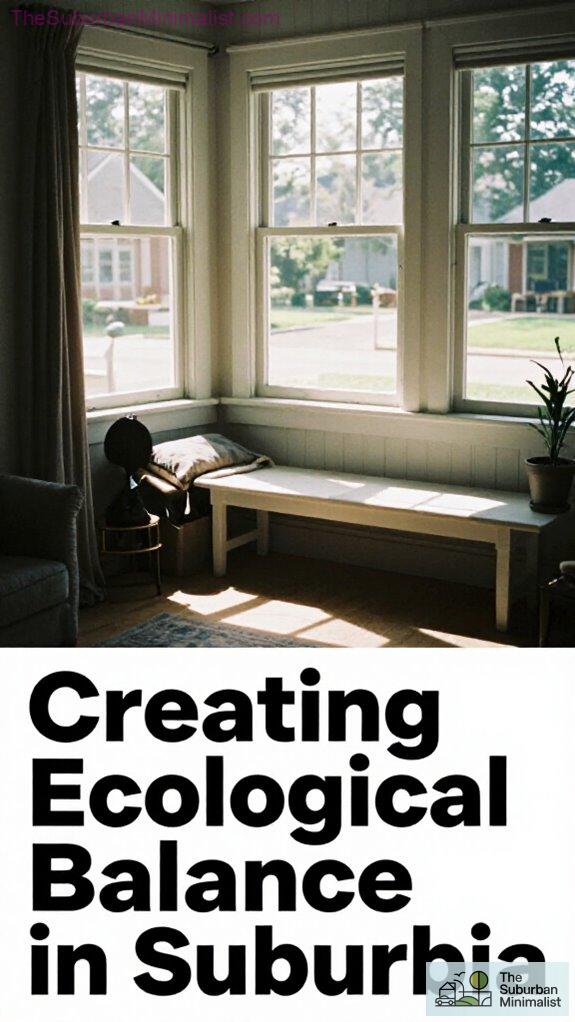
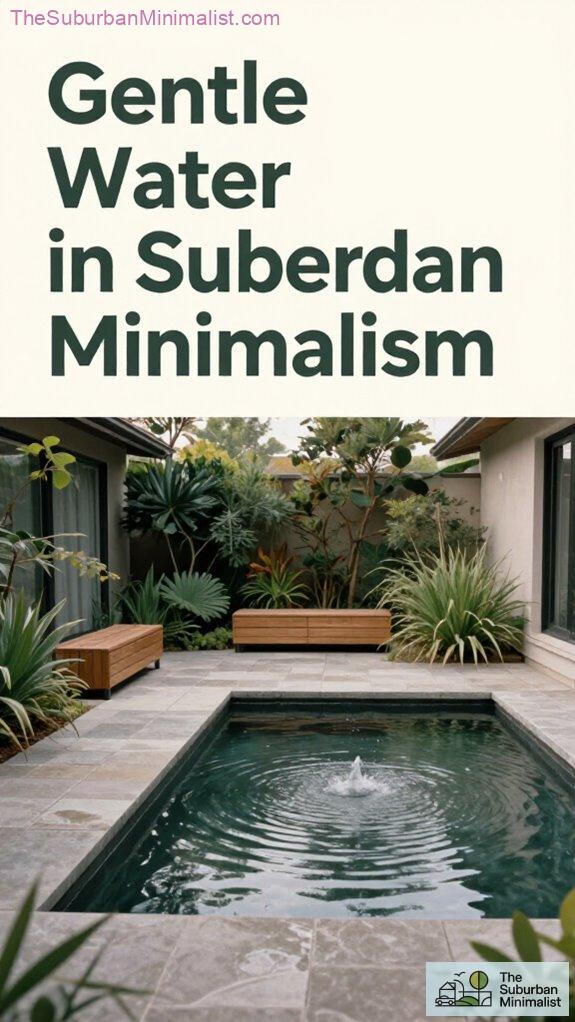
My suburban lawn was a water-guzzling nightmare—until I stopped trying to fight nature.
I ditched the high-maintenance grass obsession and built a drought-tolerant yard that actually thrives. Native plants. Smart mulching. Permeable paths that don’t scream “I have no chill.”
Sounds zen? It is. But here’s the thing—it took real trial and error.
That’s why I created The Suburban Minimalist. I wanted to show women like me that you don’t need a gardening degree or endless summer watering to have a beautiful outdoor space.
Curious how to make it work on your lot?
Low-Maintenance Native Garden Design for Busy Urban Professionals
Last summer, I completely redesigned my front yard with native shrubs and perennials instead of ornamental grass. The transformation? My water bill dropped thirty percent, and I actually started spending time outside instead of just staring anxiously at brown patches. I planted bee-friendly milkweed, sedums, and local wildflowers. Within weeks, pollinators showed up. The permaculture approach to soil building changed everything—adding mulch meant less watering, fewer weeds, and honestly, less stress. Now my yard feels like an extension of my minimalist lifestyle. Less maintenance, more life.
Quick Takeaways
- Design with native, drought-tolerant plants and microclimate zoning to minimize water use and maintenance in suburban yards.
- Use permeable hardscapes, rainwater harvesting, and drip irrigation to create a water-wise, low-impact landscape.
- Embrace minimalist aesthetics with natural textures and calm color palettes to maintain timeless, serene outdoor spaces.
- Incorporate eco-friendly features like bee hotels, composting near entryways, and seasonally pruned, low-input routines.
- Foster sensory tranquility through scent, texture, and subtle design elements that balance function with sustainable living.
Define a Drought-Tolerant, Bio-Minimalist Garden
Have you ever watched a garden feel almost intentional, even when the rain forgets to visit? I’ve learned to listen to the soil and choose native grasses that steady the mood without shouting.
A drought-tolerant plan isn’t sacrifice; it’s soil enrichment through careful, patient choices. I whisper to the beds, test the moisture, and welcome mulch as a quiet partner.
Do you crave mindful selection that still feels kind to the land? This garden recollects me when I’m busy, offering color with restraint and texture with purpose.
Rarely why I created this website The Suburban Minimalist, organically woven, not spoken.
Pick a Cool, Bio-Based Palette for Summer Yards
In summer, I reach for a cool, biobased color story that feels calm yet alive, a palette that won’t shout over the cicadas. You’ll notice Vintage color palettes in my mood boards, and Organic material choices guiding every swatch. Incorporating eco-friendly minimalism principles can enhance the tranquility and sustainability of your yard. Do I crave restraint or joy—both, obviously—and a shade that cools a sunlit porch? I tell myself color can breathe, not scream, and textures can whisper. This isn’t about trends; it’s about our everyday rituals. Prioritizing mindful reading can help busy moms find moments of calm and inspiration amid their hectic days.
Why I created this website The Suburban Minimalist? To slow time with thoughtful hues, share practical, hopeful design, and invite curious readers to begin.
Plant for Year-Round Structure With Low Water Use
We pick plants that stand up to every season, not just the summer sun, and I’ve learned that structure is as much about backbone as beauty. I’m sharing picks that endure drought and cold, built for year-round form.
A mindful approach emphasizes gradual release—letting go of keepsakes over time to make decluttering manageable and stress-free.
Ever notice how urban zoning shapes our beds, dictating setbacks and irrigation? I’ve found pest resistant varieties that still feel lush, never punishing.
Envision shrubs anchoring a garden while using minimal water. Do you crave a living silhouette that stitches the yard to the house?
This is how I design—consciously, playfully, with quiet confidence, the Suburban Minimalist way.
Create a Tranquil, Low-Maintenance Hardscape
A tranquil, low-maintenance hardscape isn’t just about fewer weeds and more lounge time; it’s about letting texture and light do the talking. I design spaces that whisper, then listen for your footsteps.
Want to know my secret to calm paths? Fertilizer alternatives, like compost tea and mulch, feed soil without fuss, while permeable pavers guide water softly to roots.
Pest management becomes a conversation with your garden, not a battle, using native plants and balanced ecosystems.
Incorporating natural materials like wooden pet crates can add warmth and style while maintaining functionality in your outdoor living spaces.
Curious how I stay inspired? I created this site, The Suburban Minimalist, because simplicity can feel luxurious—and surprisingly playful.
Ready to sculpt quiet, resilient outdoors together?
Add Water-Wise Features for Serenity and Efficiency
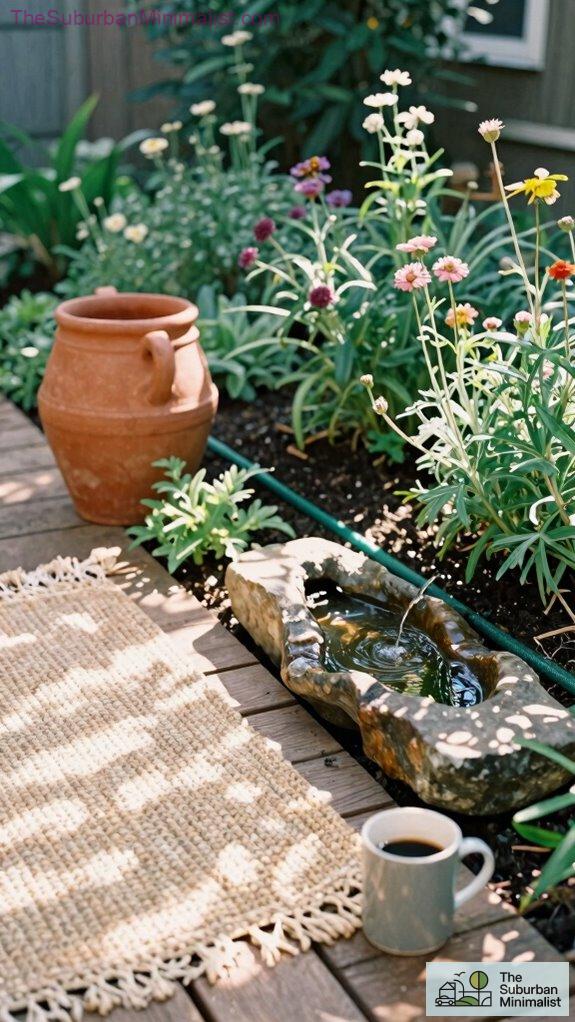
Water-wise features feel like a quiet conversation with the scenery, and I love how they payoff with less fuss and more serenity.
I’ve tucked rainwater harvesting into the garden plan, letting gravity do the work while I sip coffee and listen to birds.
Native plant selection guides color, texture, and resilience, so I’m not chasing miracles after storms.
Do you hear the drip of a soaker hose as a tiny lullaby for thirsty beds?
These choices feel innovative yet simple, practical yet stylish.
Charming Handwoven Jute Rugs can add a natural, sustainable touch to outdoor spaces, blending comfort with eco-conscious style.
Assess Site Microclimates and Place Plants Accordingly
Site microclimates are like little weather personalities right in our own yards, and I’ve learned to listen before I plant. I study sun, shade, wind—then place each plant with a plan that favors resilience. Simplifying your garden routines can also extend to letting go of excess tools or ornaments, much like how some mothers choose to shed their beauty routines to embrace minimalism. Recognizing specific microclimate factors helps ensure your plants are positioned for optimal growth and drought tolerance.
Site microclimates greet each yard, guiding resilient planting with listening and care.
This matters for urban foraging, where edible ornamentals thrive in tucked corners. I test soil pockets, note moisture drifts, and choose pest resistant landscaping candidates that bloom where others falter.
Establish Maintenance Rituals for a Sustainable Outdoor Space
Maintenance routines begin with a simple promise to myself: show up for the space, even when life gets loud. I’m learning that rituals breathe life into yards, turning chores into calm, not chaos.
Do you notice how urban wildlife snacks on tangled leaves after a storm, then leaves the air fresher? My routine blends seasonal pruning with smart timing, so perennials recover neatly and shrubs don’t fight the heat. Incorporating thoughtful placement of elements like bee hotels can enhance the ecological balance I strive for. Tips for ideal bee hotel placement help me support local pollinators effectively.
Why I created this website The Suburban Minimalist? to share small, doable shifts that make daily outdoor life feel intentional and joyful. Engaging in these maintenance rituals encourages a sustainable approach to outdoor living that respects the environment and nurtures the natural landscape.
Pet-Friendly Mudroom Mats
I’ve learned, quite simply, that the right mudroom mat isn’t just a splash of texture—it’s a small kindness to every wet paw that pauses at the door. I’m thinking about pet life and smart spaces as I plan: a mat that tolerates mud, hides hair, and tips its hat to urban farming ideas I love. Incorporating sustainable accessories like eco-friendly handbags and belts can enhance the overall eco-conscious vibe of the space. Could a mat suggest vertical planting near the entry, or spark thoughts of compost in small batches? It’s a gentle nudge toward innovation, a wink at sustainability. Embracing minimalism in everyday routines, such as skipping serums, helps me simplify and focus on what’s truly important—both for my skin and my environment. This is why I created this site, The Suburban Minimalist, to share quieter, smarter living.
Is your threshold ready?
Living Moss Walls
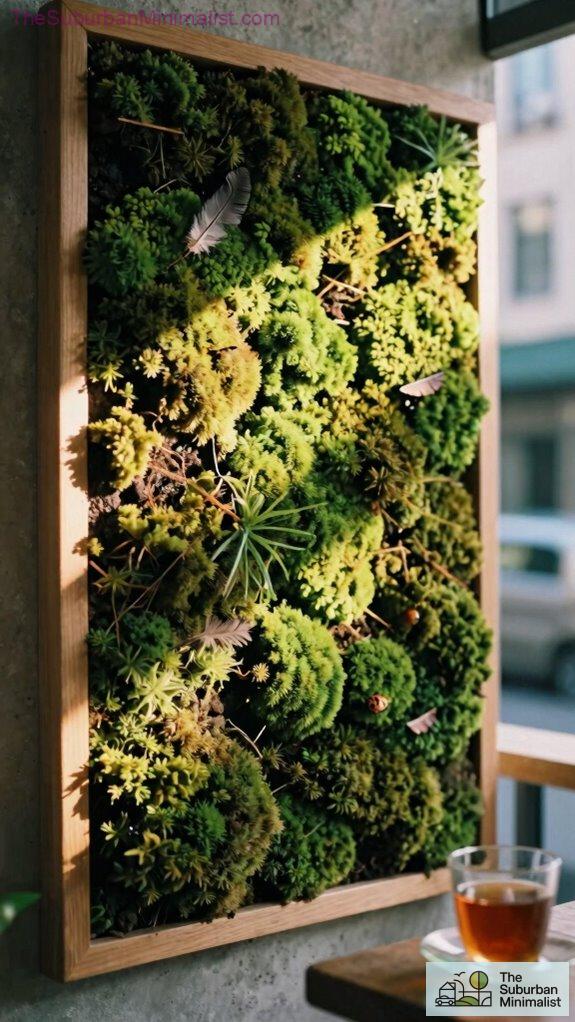
Living moss walls catch my eye the moment you walk in, soft green panels that feel like a whisper of a forest pressed into our everyday spaces. I’m curious how these textures invite urban wildlife closer, and how garden lighting can sculpt the mood at dusk. Do you hear the quiet of pines while you sip tea near the wall? Incorporating DIY color analysis can help you choose hues that enhance the calming nature of these green walls. Recognizing the importance of minimalist design principles can further enhance the serene atmosphere of a simple, luxe aesthetic.
Skylit Herb Garden Patio
A skylit herb garden patio feels like a quiet wink from summer itself—a little oasis right above the everyday, where basil scents I swear I can taste before I step outside. I tell you, this space teaches urban farming with charm, not chaos. I rotate mint beside oregano, then whisper about pest management like a curious friend. Do you hear the drip of the bottle-green hose as I prune, smiling at sunlit leaves? This patio is a lesson in mindful beauty, and yes, I created this site, The Suburban Minimalist, to share why I crave simpler growth. Incorporating sustainable storage solutions for garden tools and supplies keeps this space both functional and eco-friendly. Choosing color combinations for personal wardrobe that harmonize naturally with this green backdrop enhances the overall minimalist aesthetic. Ready to try this, together?
Suburban Minimalism
Suburban Minimalism isn’t just a look; it’s a way of listening to the house and letting it guide what stays and what goes. I’m that 40ish reader-writer you meet at the fence, noting how Historical scenery whisper about memory while I test Traditional planting methods for today. Incorporating color analysis draping kits can help refine your palette, making it easier to choose harmonious hues that enhance your minimalist yard. Do you hear the cadence of the drip, the hush of a well-placed bench? Stylish Oak Wall Hooks for Your Home can add both function and understated elegance to the space. Innovation feels like listening first, then shaping. I’m curious, practical, and a touch ironic, yet hopeful.
This site, The Suburban Minimalist, grew from that curiosity—organic, never showy—and invites you to co-create a calmer, greener porch.
FAQ
How Can I Start a Sustainable Summer Yard With Minimal Upkeep?
I’ll start by saying you can, and I do: plant native grasses for drought tolerance and texture, then embrace composting techniques to nourish soil; minimize upkeep with mulch, drip irrigation, and rain barrels, while embracing innovative, low-maintenance landscaping.
Which Drought-Tolerant Plants Fit a Cool-Toned Palette?
I’d choose drought-tolerant, cool-toned options like native grasses and desert shrubs, pairing them with silver foliage. I’ll blend innovation and restraint, emphasizing texture, color harmony, and sustainable water use for a truly modern, low-fuss yard.
What Are the Best Water-Wise Features for Serenity Outdoors?
Rain gardens reduce runoff, retrofit serenity, and reinvent efficiency; I rally readers toward xeriscape designs that conserve water while creating calm. I’ll guide you through plant-smart, pavilion-like paths, and chic, sustainable, stormwater-smart environments.
How Do Microclimates Influence Plant Placement in Small Yards?
Microclimates guide plant placement by matching sun, wind, and moisture to each spot, so I mix native species into microclimate zones for resilience. I test light edges, shade pockets, and drainage to optimize performance.
What Quick-Start Maintenance Rituals Support Year-Round Sustainability?
I start by rinsing and reusing rain collection, then I mix composting techniques weekly, turning perspectives into soil mastery; you’ll see year-round sustainability bloom as I innovate, streamline routines, and nurture resilient, productive environments.
Summary
I guess the yard isn’t just dirt and decor; it’s a living, patient conversation. Think of it like a quiet symphony, where copper rain chains click softly and native grasses sway like proper punctuation in a sentence. I built this site, The Suburban Minimalist, not for hype but for a calmer blueprint you can actually live in. So, are you ready to step outside and let restraint become your most inviting color? The garden grows kinder when we grow with it.