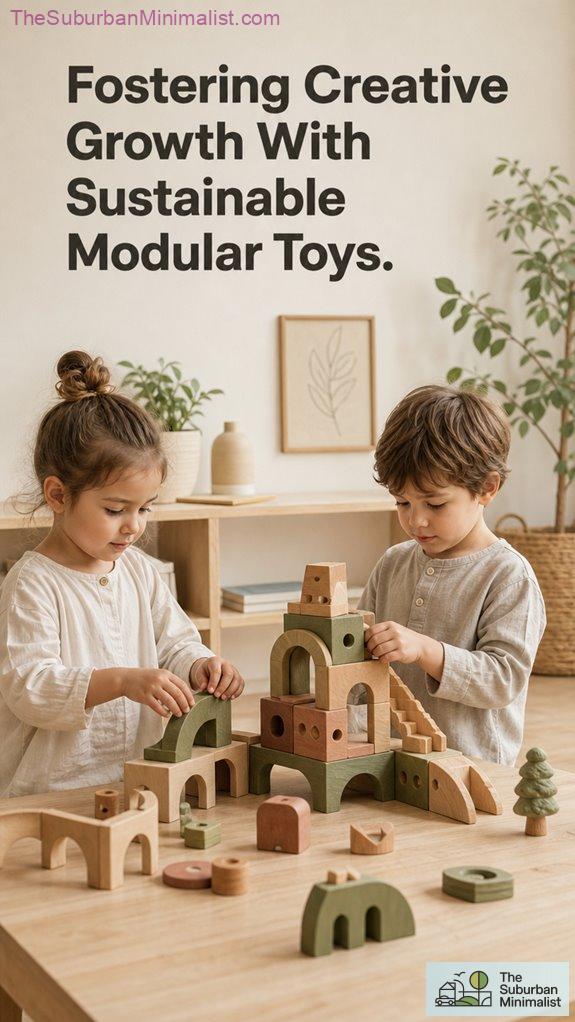
Ever wonder why playrooms look like a toy bomb exploded? Because kids are chaos agents, honestly.
I’m obsessed with making spaces work *hard* so my family doesn’t have to. When our Manhattan apartment felt suffocating under toy overflow, I ditched the perfectionist mindset and got real about storage. Color-coded bins, clear containers, eco-friendly materials—suddenly our kids actually *put things away*. Wild.
I created The Suburban Minimalist because I was drowning. Drowning in stuff. Drowning in guilt. Drowning in spreadsheets of “organizing systems” that required a PhD to maintain. I wanted stylish simplicity that actually sticks.
Stick around. We’re unlearning the more-is-better myth together.
Decluttering Kids’ Spaces: My Toy Purge Reality Check
Last spring, I did the unthinkable—I purged 60% of our playroom toys while my kids were at school. Terrifying, right? Here’s what happened: they didn’t notice. They played *better*. Less decision paralysis, more genuine engagement. That’s when minimalist living clicked for me. It’s not deprivation; it’s intentionality. Sustainable storage solutions, thoughtful toy rotation, and creating breathing room in shared spaces transformed our mornings. No more meltdowns hunting for one missing puzzle piece. Organization systems became natural when clutter disappeared. That experience launched everything I do now—helping families embrace organized spaces through mindful consumption and functional design.
Quick Takeaways
- Use eco-friendly, durable storage options like bamboo bins and recycled plastic containers for long-lasting organization.
- Incorporate modular, labelable storage solutions that are accessible for children to encourage independent cleanup.
- Utilize visual cues such as color-coded bins and open shelving to simplify finding and returning toys.
- Integrate vintage textiles and stylish containers for small parts to reduce clutter and enhance aesthetic appeal.
- Maintain seasonal decluttering routines to keep the playroom organized, manageable, and inspiring for children.
Why Simple Storage Creates a Calm and Organized Playroom
Have you ever stepped into a playroom and suddenly felt overwhelmed by chaos? I’ve been there—cluttered shelves, mismatched toys, an energy drain I couldn’t shake.
Simple storage, especially when paired with vintage decor and a thoughtful use of color psychology, transforms that chaos into calm. It’s empowering to see everything in its place, creating a space that feels peaceful and deliberate. Investing in wooden pet crates can also add a touch of style and durability to your storage options, making organization both functional and attractive.
A well-organized playroom isn’t just about aesthetics; it’s about control—about knowing I’ve curated a sanctuary that nurtures my child’s growth while respecting my own sanity.
How to Choose Durable, Sustainable Storage Solutions for Kids
Choosing storage solutions for kids isn’t just about grabbing whatever plastic bin catches your eye at the store; it’s about prioritizing durability and sustainability that truly last—through messy art projects and toy migrations.
Prioritize durable, sustainable storage to weather kids’ chaos and create a calm, functional space.
I’ve learned that eco-friendly materials like bamboo and recycled plastics aren’t just good for the planet—they’re tough enough to withstand everyday chaos. Using sustainable materials can also add to the overall aesthetic and environmental benefits.
And with smart home integration, these solutions can become part of a seamless system, making cleanup smarter and less stressful.
In addition, incorporating natural and weather-resistant materials like copper rain chains can add durability and a unique aesthetic to your storage areas.
I created The Suburban Minimalist because I believe our homes can be both beautiful and functional.
Durable, sustainable storage isn’t just practical—it’s a power move, transforming a cluttered room into calm clarity.
Easy Modular Bins and Shelves for Little Hands to Use
When I first started redesigning my kids’ playroom, I realized quick fixes like plastic tubs just don’t cut it anymore. I needed something both functional and stylish—something that empowered little hands to regroup without chaos.
That’s when I discovered easy modular bins and shelves, perfect for their tiny reach and curiosity. I love layering vintage textiles over these for an artistic display, turning storage into part of the decor rather than an eyesore.
It’s about creating order that feels intentional, beautiful, and manageable, all while giving my children independence. Just as rainwater harvesting systems utilize simple, efficient storage solutions to conserve resources, organized play areas help conserve focus and reduce stress at home. Additionally, applying seasonal decluttering methods makes it easier to manage those infrequently used items, ensuring the space remains streamlined throughout the year.
Honestly, a little good design goes a long way—because a well-organized playroom is a game changer.
Best Tips for Sorting Toys by Size, Type, and Frequency
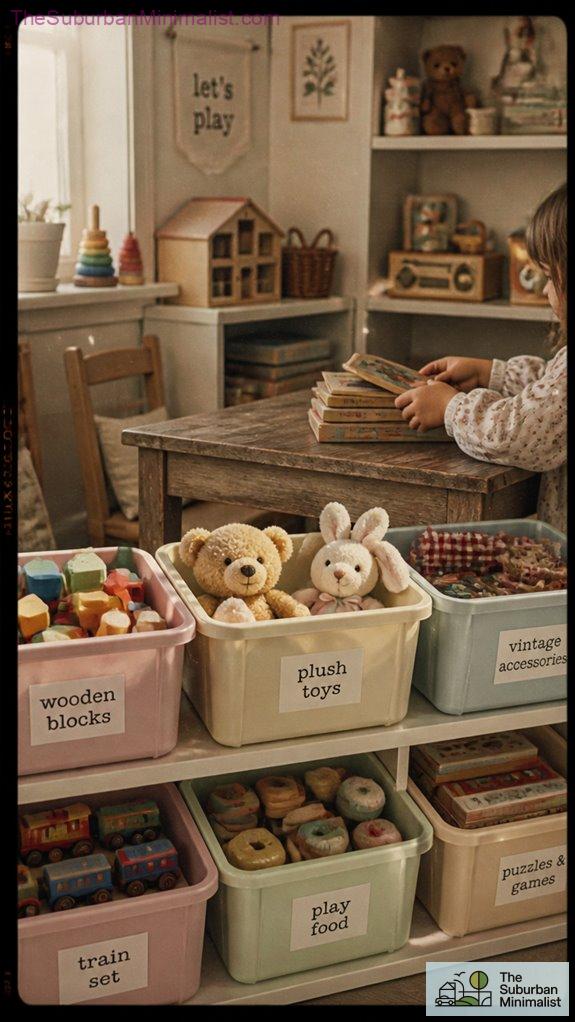
Sorting toys by size, type, and how often your kids actually play with them might sound like a no-brainer, but trust me, it’s a game changer—especially when you’re balancing vintage accessories with seasonal decorations, all while trying to keep the chaos contained. I learned early that clear categories streamline cleanup and reduce overwhelm. Incorporating minimalist decluttering techniques helps in making decisions easier and more intentional. Larger toys go where they’re easily accessible, while the most-played items stay front and center. Rarely used puzzles or seasonal decorations, like perfect vintage accessories, can be tucked away—ready for a moment when magic requires a little extra effort. Developing intentional organization ensures that your storage solutions support your family’s habits and create a sense of calm. It’s about creating order that works with your style, not against it.
Creative Ideas for Organizing Small Parts and Play Accessories
It’s funny how something so small—literally—can feel like the biggest obstacle in my playroom. Tiny parts, buttons, miniature figurines—they seem to multiply overnight.
To tame this chaos, I lean on vintage textiles transformed into DIY decor, like repurposed scarves or embroidered napkins, tucked into small baskets or hung as artistic accents. This not only keeps tiny accessories accessible but adds a touch of warmth and personality. Choosing the right storage solutions can highlight organizational strategies that work well for small parts and accessories.
I love how thoughtfully organized small parts feel like a quiet victory, empowering me to maintain control. After all, a well-curated space fuels confidence, and with a little creativity, even the tiniest items can make a big style statement. Incorporating magnetic knife strips for walls can also be an innovative way to store and display small parts efficiently.
How Minimalist Storage Supports Focused Play and Discovery
Minimalist storage isn’t just about neatness; it’s about creating a space where curious minds can truly focus and discover.
Minimalist storage fosters focus, curiosity, and a calm environment for creative exploration.
In my own home, I’ve realized that a clutter-free environment supports concentration and sparks creativity—whether it’s a little girl lost in her vintage toy collection or a toddler exploring a celebrity nursery design inspired by luxe simplicity.
- Clear, open shelving that invites hands-on exploration
- Discrete, matching storage bins that hide chaos
- Elegant drawers with labeled compartments for quick access
- Visual simplicity allowing toys to stand out
- Thoughtful spaces that encourage independent discovery
Less clutter, more power—my secret to both calm and curiosity.
Customizable Storage Solutions
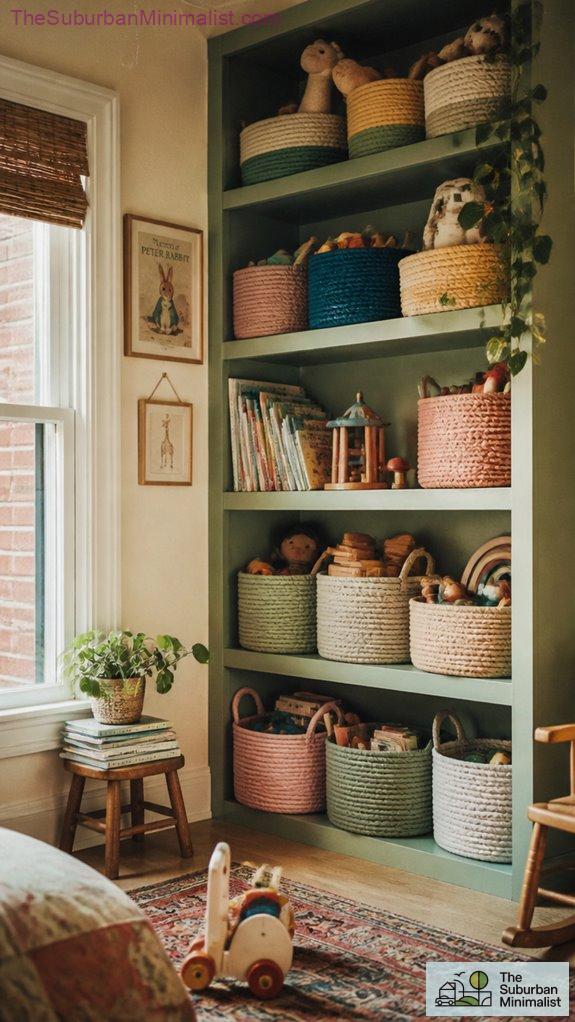
When it comes to organizing playrooms—or any space really—I’ve learned that one-size-fits-all storage solutions just don’t cut it. Customizable options give you the power to shape the room around your child’s needs, not the other way around. I also recommend considering stylish cotton rope baskets, which combine durability with aesthetic appeal. I love integrating smart home technology that adapts with a tap, making cleanup effortless. Eco-friendly materials are my go-to, because why not keep sustainability front and center? The trick is creating flexible, beautiful compartments that grow with your kids while reinforcing the elegance of thoughtful design. Honestly, this isn’t just about storage—it’s about curating a space where order meets personality, just like I aimed to do with The Suburban Minimalist. Additionally, choosing Eco-friendly materials helps promote a healthy environment while still enjoying the benefits of smart and stylish organization solutions.
Color-Coded Stacking Blocks
Color-coded stacking blocks might seem like a simple toy, but honestly, I see them as small, manageable moments of order in the chaos of a playroom.
- They lend a visual rhythm, making cleanup feel like a strategic game rather than a chore.
- I love how choosing color palettes for these blocks can complement my home’s aesthetic upholstery—simple, soothing, sophisticated.
- They quickly turn “mess” into a curated display, like creative window treatments framing a window to calm or energize.
- Plus, the kids feel empowered stacking their way to mastery, which is its own kind of elegance.
- This little step helps me control clutter, making space for what really matters—without the mess taking over.
- Incorporating visual rhythm into storage solutions can enhance the overall harmony of the environment.
- Embracing color coordination makes it easier to maintain order and creates a cohesive, calm atmosphere in the space.
Bright, Accessible Toy Bins
Have you ever looked at a toy bin overflowing with plastic animals, building blocks, and tiny doll accessories and wondered if there’s a better way? I have, especially when I realized my kids’ clutter was stealing the beauty from our vintage furniture and artistic wall decor. Using smart storage solutions like clear acrylic or woven baskets makes it easier for kids to find what they want—and put it away because everything has its place. Incorporating Elegant Glass Bedside Carafe Set Ideas can also add a touch of sophistication and organization to a child’s bedroom or play area, making the space feel more intentional and serene. It’s a simple shift that turns chaos into calm. I created this website to share how thoughtful storage, like these bins, transforms spaces—and somehow, makes parents feel victorious amid the chaos.
Suburban Minimalism
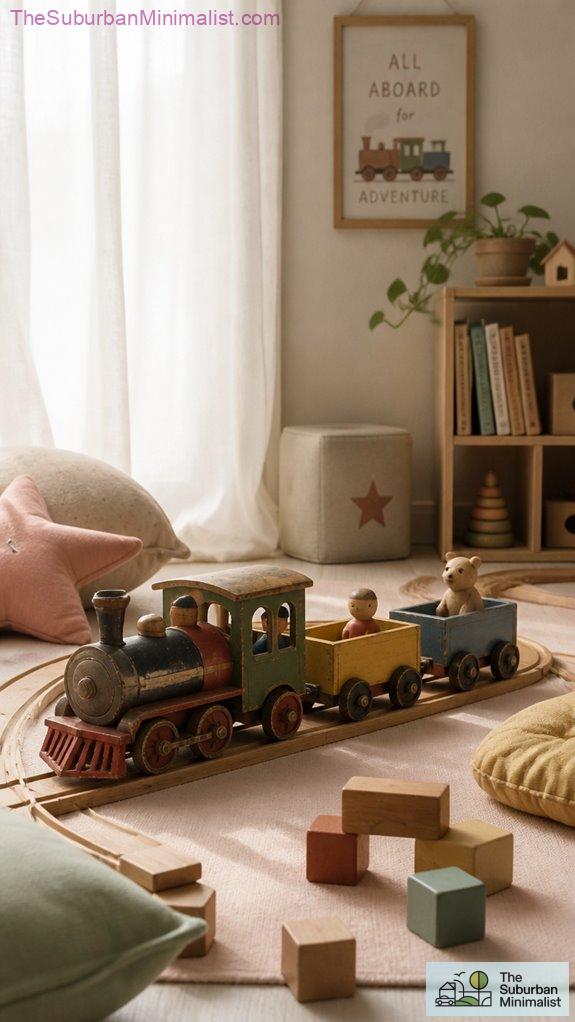
Suburban minimalism isn’t just about having fewer things; it’s a quiet philosophy that elevates everyday living by emphasizing intentional simplicity.
I’ve found that incorporating vintage decor adds character without clutter, while urban gardening brings fresh life to overlooked corners.
One effective way to support this lifestyle is by decluttering beauty products, simplifying routines and creating space for what truly matters.
- Choosing timeless vintage pieces that tell a story
- Cultivating small, lush gardens on apartment balconies
- Investing in quality furniture with clean lines
- Balancing modern functionality with nostalgic charm
- Creating calm spaces that invite reflection
This balance of beauty and purpose makes my home feel powerful and peaceful.
I created The Suburban Minimalist to share how subtle changes can transform chaos into clarity, giving us space to breathe—literally and figuratively.
FAQ
How Often Should Playroom Storage Be Reassessed for Efficiency?
I recommend reassessing storage rotation every three to six months, actively refining organizational habits to maximize efficiency. Regular reviews keep your playroom streamlined, empowering you to maintain order and adapt quickly as needs evolve, ensuring lasting functionality and style.
What Eco-Friendly Materials Are Best for Children’s Storage Furniture?
I believe eco-friendly children’s furniture like sustainable bamboo and recycled plastic can be both durable and stylish, empowering you to create a responsible, powerful environment. These materials guarantee long-lasting function while respecting our planet’s future.
How Can Storage Solutions Adapt to Growing Children’s Changing Needs?
I adapt storage solutions by prioritizing toy sorting and shelf organization that grow with your child. Use adjustable, modular systems and clear bins, empowering them to manage their space independently while seamlessly accommodating their changing needs.
What Safety Features Should Storage Units Have for Young Children?
Your storage units should have safety features that minimize toy safety risks, like secure closures that lock out curious fingers, preventing accidents. Oversized, childproof safety latches turn your playroom into an impenetrable fortress of safety and control.
How Does Minimalism Influence Children’s Creativity and Independence?
Minimalism fuels children’s independence development by reducing creative clutter, enabling them to focus and make choices confidently. I believe this deliberate simplicity empowers kids to explore freely, cultivating self-sufficiency and confidence in their own abilities.
Summary
Honestly, a tidy playroom isn’t just about neatness—it’s about creating a peaceful space where my kids can explore and grow without chaos sneaking in. When everything has its place, cleanup feels less like a chore and more like part of a fun routine. Do I sometimes crave a messy masterpiece? Sure. But I’ve learned that simple, sustainable storage makes life easier—and keeps our home feeling calm and welcoming. Isn’t that what we’re really after?