I spent $3K on a boring accent wall, then realized minimalism doesn’t mean bland.
Textured plaster changed everything. Copper veins. Soft swirls. Subtle drama that catches light without screaming for attention. My walls finally felt like they were breathing with me, not against me.
That’s why I built The Suburban Minimalist—because cozy doesn’t require clutter, and calm doesn’t mean boring.
Stick around. I’m sharing the simple techniques that actually work.
How One Plaster Feature Wall Cured My Decorating Overwhelm
My apartment felt suffocated by stuff. Throw pillows. Gallery walls. Overdecorated surfaces screaming for validation. Then I discovered textured plaster—one feature wall, nothing else. The tactile finish became my design anchor. Suddenly, my space breathed. The minimalist interior design approach shifted everything: less furniture, intentional surfaces, Nordic-inspired quiet mixed with cozy warmth. That single textured wall taught me that sustainable living extends to your aesthetic choices too. Quality over quantity. Texture over clutter. Now I help others find their calm through simple, approachable plaster techniques that merge Scandinavian design principles with accessible home styling.
Quick Takeaways
- Use simple plaster textures with trowels, damp sponges, and skim coats to create tactile, organic wall surfaces that read calm and uncluttered.
- Embrace imperfect polish and natural veins (like copper) to add warmth and subtle drama without overpowering the space.
- Combine matte finishes and breathable paints to enhance texture while keeping a soft, breathable environment.
- Integrate decorative copper-veined swirls and scroll-like motifs as quiet focal points, influenced by natural light throughout the day.
- Maintain clean, organized supplies and gentle maintenance routines to sustain texture and longevity in minimalist interiors.
Why Textured Plaster Suits a Bio-Minimalist Interior
Think textured plaster is just a wall finish? I doubt it. I see plaster as a quiet collaborator in a bio-minimalist home, adding character without shouting. My walls become tactile stories, inviting touch and contemplation between tasks. Incorporating mindful family traditions into creative projects like plaster work can strengthen connections and foster shared appreciation. Elegant wall motifs emerge organically, like wind-carved stone, while natural surface variations catch light and shadow in calming, surprising ways. Do you crave texture without clutter? Embracing the natural surface variations allows for a more authentic and soothing aesthetic that aligns with minimalist principles. This approach keeps space breathable, intentional, alive. I’ve learned to embrace imperfect polish, letting subtle grains and veins guide color choices.
Plaster as a quiet collaborator, shaping tactile walls and intentional calm.
Why I created this website The Suburban Minimalist? to share how small details cultivate lasting confidence and beauty.
Tools and Materials for Simple Plaster Techniques
There’s a quiet thrill in choosing the right basics, isn’t there—the brush that feels like a señora’s kiss on the wall, the plaster that invites your hands to smooth out rough edges, the gloves that make the work feel almost meditative.
Tools and materials sit within reach, inviting exploration. I favor reliable trowels, a mixing pot, a splash of primer, and a damp sponge for quick cleanups. Decorative accents and Color accents emerge from simple choices that honor texture over flash. Additionally, selecting the appropriate ceramic bee hotels can enhance your garden’s natural charm and support local pollinators.
Getting familiar with plaster techniques can help you achieve more textured and dynamic finishes, transforming a plain surface into a work of art.
Textures for Calm, Minimalist Plaster Walls
Textures for calm, minimalist walls lean into gentle variation—soft sieves of sand, whisper-thin skim coats, a matte finish that drinks light rather than fighting it. Using portable external hard drives can help store reference images or project plans on the go, ensuring your design ideas stay organized wherever you are. Vintage textiles echo in pattern, while Artistic expressions emerge as I temper contrast with rest. Incorporating minimalist organization techniques helps keep your space uncluttered and serene, creating an environment that encourages relaxation. I created this site, Why I Created This Website The Suburban Minimalist, to share small wonders you can live in. Curious?
Layering Techniques for Depth Without Clutter
Layering depth into a space without making it feel heavy is like having a conversation with the room—quiet, honest, and a little surprising. I’m thinking in layers, not loads, so color harmony guides every choice and never fights the eye.
Do you notice how pattern contrast keeps a surface lively yet calm, like a well-told story? I mix plaster textures with simple shadows, letting light do most of the talking.
This approach grew from late-night experiments and the belief that small details matter.
Incorporating thoughtful possessions helps craft a sense of closure and preserve meaningful memories, transforming personal treasures into subtle design elements.
Why I created this website, The Suburban Minimalist, is to share that practical, joyful restraint. Ready to layer together?
Finishes and Sealants for a Quiet, Sustainable Look
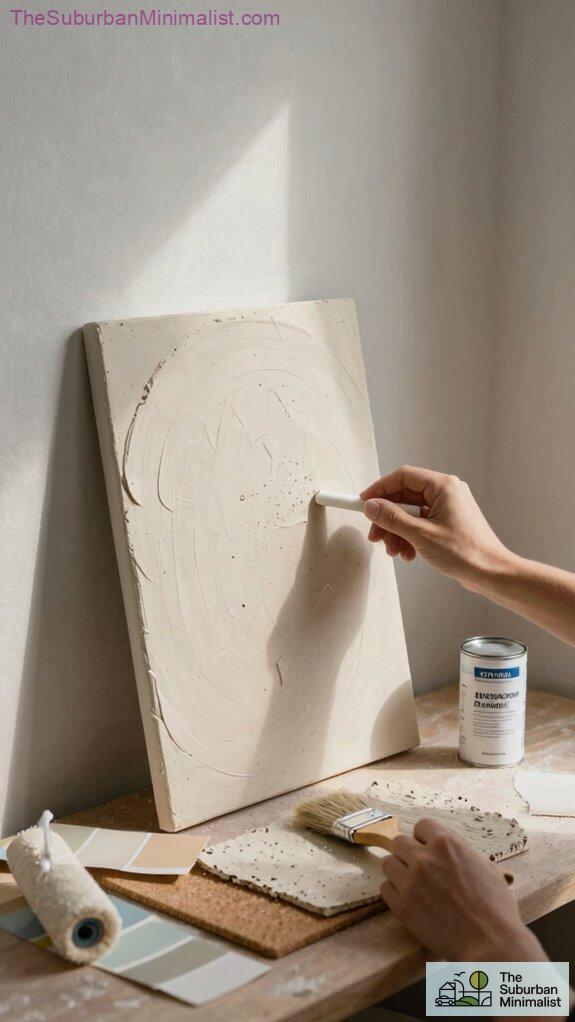
Finishes and sealants shape a room just as quietly as a whisper, and I’ve learned to choose them with the same care I give to a well-curated wardrobe.
I’m drawn to sustainable paint that breathes, and eco friendly sealants that age gracefully without glare. My hands skim plaster like a fabric swatch book, testing texture, tone, touch. Have you noticed how a matte finish softens walls and stories alike? Incorporating eco-friendly finishes can also contribute to a more sustainable and healthier home environment.
In my home, these choices feel like quiet armor—efficient, elegant, ethical. This site, The Suburban Minimalist, grew from wanting better balance. Curious readers deserve clarity, wit, and honestly useful tips for everyday beauty.
The best rollaway guest beds also emphasize comfort and ease, much like selecting the right finishes for your decor.
Caring for Plaster Decor in a Bio-Minimalist Home
Caring for plaster decor in a bio-minimalist home is all about listening to the surface as much as the story it tells. I tap the finish with a fingertip, noticing texture and subtle shifts, then adjust care like a curator. Incorporating Scandinavian plant decor can soften these textures, creating a harmonious environment. Do you value vintage accessories that whisper of eras gone by, or artistic sculptures that catch the light just so? I wipe surfaces gently, avoid harsh chemicals, and seal once a season, honoring breath and balance. Using organic skincare ingredients can also help maintain the integrity of the plaster finishes, subtly nourishing the textures. This mindful routine keeps rooms quiet, expressive, and alive.
Custom Plaster Textures Kit
So what if a kit could feel like a small studio session in a box? I reach for my Custom Plaster Textures Kit and envision the first pour as a tiny studio roar in a cup. It invites industrial decor vibes, then softens into vintage finishes as I tinker with combs and trowels. This process allows me to explore Scandinavian design details, adding subtle elegance to my home. I love that textured decor can enhance home aesthetics with a personalized touch. Can you sense the thrill of trying new textures without fuss?
A tiny studio roar in a cup, guiding walls toward industrial then vintage whispers.
I’m a 40ish woman who loves clear aims and warm surprises, and this kit helps me teach my walls to speak.
Why I created this website The Suburban Minimalist? To share quiet, stylish experimentation.
Copper-Veined Plaster Swirls
I love how copper-veined plaster swirls catch the light like a quiet chorus, a gentle reminder that texture can hum with warmth without shouting.
I invite you to contemplate:
1) how these veins become a map for artistic expression in small rooms,
2) how their cultural significance threads between craft and memory,
3) how the shimmer invites conversation rather than competition.
These swirls feel like a soft rebellion against flat walls, a wink from my 40-something self to your own space.
Haven’t you noticed how such details spark mood, clarity, and a kinder decor narrative?
This is why I created this website, The Suburban Minimalist, to share quiet innovation.
Organizing your supplies efficiently can help foster this creative process, turning a cluttered space into a well-structured craft room.
Copper-Veined Plaster Murals
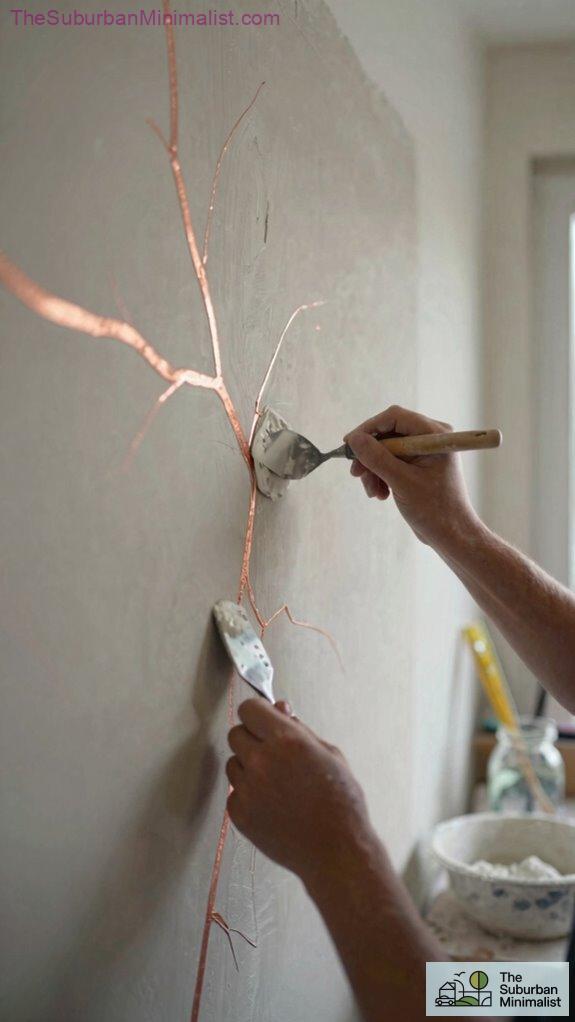
Copper-veined plaster murals catch the eye not with loud drama, but with a quiet confidence that feels like a whisper turned sculpture. I whisper to you from my studio, asking, what color palette speaks to your room’s heartbeat? I love how copper veins catch light, changing mood as the day folds in. Lighting techniques become brushstrokes, guiding eyes along the mural’s rivers. Do you crave subtle drama or bold calm? This approach invites curiosity, not clutter. Incorporating low light considerations into the design can enhance the muted elegance of these textures. When planning your mural, consider how the neutral color schemes in minimalist dinnerware can complement the subtle textures, creating a cohesive and calming atmosphere.
Suburban Minimalism
Suburban minimalism isn’t just a trend; it’s a way to breathe in a house that used to feel loud with clutter. I write to you from a soft-lit room, plaster in hand, asking: how can simplicity still spark delight?
Color harmony guides my choices, and texture contrast keeps surfaces lively. I’ll share:
1) a quiet palette,
2) tactile accents,
3) thoughtful gaps that let light breathe.
By focusing on cherishing memories over material things, I find that the true value lies in the warmth and stories embedded in our spaces rather than in possessions. Integrating minimalism can also create a more calm environment that promotes well-being and focus for children. This approach suits the busy life I lead, weaving function with warmth. I created this website The Suburban Minimalist to document small, honest steps toward calm.
Ready to try a calm, inventive corner?
FAQ
How Can Plaster Textures Influence Acoustics in a Calm Space?
Textured plaster textures influence acoustics by enhancing sound absorption while preserving visual harmony; I’ve found that porous, irregular surfaces soften echoes, creating a calmer room vibe, where noise is tamed and design remains elegant, fostering sound absorption-driven visual harmony.
What Weight Limits Do Plaster Textures Impose on Walls?
Most studies show plaster textures add about 5–15% more wall weight. I’m here to guide you: weight considerations matter, and the structural impact must be evaluated before installation to guarantee safe, innovative design that endures.
Can Textured Plaster Be Applied Over Existing Finishes?
Yes, textured plaster can be applied over existing finishes, but I’ll guarantee proper surface preparation and verify material compatibility first. I’ll test adhesion, prime when needed, and tailor the setup for innovative, durable results.
Are There Maintenance Steps for Preserving Subtle Plaster Texture?
Yes, I maintain subtle plaster texture by routine Cleaning maintenance and gentle dusting, then seal with a breathable coating. If chips appear, I apply Repair techniques using matching plaster and careful feathering to preserve nuance.
How Long Does a Textured Plaster Project Typically Take?
Texture blooms over 1–3 days, depending on thickness and humidity, I tell you. I’ve watched plaster drying transform walls, revealing texture variations as it cures, and I plan around airflow, temperature, and patience for best results.
Summary
I keep finding that texture drops right into daily life just when I least expect it. Coincidence felt like fate—my latest plaster trial echoed the chipped coffee cup on my kitchen shelf, and suddenly I saw a calm, layered wall in my future. Do you ever notice how small details steer your mood, room by room? That’s why I created this site, The Suburban Minimalist—to share honest, tactile ideas that fit real life, not showroom perfection.