Turns out, my overstuffed closet was basically my entire personality crisis in fabric form.
I started ditching things I didn’t actually wear—revolutionary, I know. My Keep, Repurpose, Release system? Total game-changer. A labeled kitchen and soft mornings genuinely shifted how I showed up for my family. That’s literally why I built The Suburban Minimalist. Because calm spaces hit different when you’re juggling suburban life and sanity.
How One Closet Purge Changed My Entire Morning Routine
I remember standing in front of my overflowing closet one Tuesday, paralyzed by choice. Forty hangers of “maybe someday” clothes were stealing my mental bandwidth before 7 AM. I decided to do a ruthless audit—kept only pieces that actually made me feel good. Suddenly, getting dressed took minutes instead of twenty agonizing minutes of decision fatigue. That one closet declutter rippled into everything. My bedroom felt spacious. Mornings felt intentional. I wasn’t just managing stuff anymore; I was curating my environment. Other minimalist practices—like thoughtful home organization, sustainable living habits, and mindful consumption—started clicking into place naturally. The clutter wasn’t just taking up physical space; it was draining my emotional energy. Letting go created room for what actually matters.
Quick Takeaways
- Declutter with intention to reduce emotional baggage and create calm, breathable spaces that reflect core values.
- Use mindful routines and labeled storage to foster daily clarity and reducing decision fatigue.
- Preserve memories thoughtfully, balancing nostalgia with intentional display to support well-being.
- Combine warmth and minimalism through vintage textures, purposeful lighting, and personal storytelling.
- Cultivate curiosity and consistency in space management to sustain peaceful, joyful living.
What Sentimental Clutter Is and Why It Undermines Calm in a Minimalist Home
Sentimental clutter looks innocent enough, but it sneaks in and quietly nudges calm out the door. I notice it every time I reach for a box labeled “Sentimental memorabilia” and feel a tug, not a spark.
These things carry emotional triggers, yes, yet they weigh down shelves I want to breathe. Do you ever pause at a dusty photo and think, “What am I really keeping this for?” I’ve learned to edit with care, inviting memories that don’t demand display. Clearing out sentimental items can also reduce emotional baggage, making it easier to enjoy a spaces that promote peace.
This website, The Suburban Minimalist, grew from that pause—organizing space, honoring moments, without chaos. Interestingly, decluttering can even create a nurturing environment, which enhances emotional well-being and fosters a sense of calm. Want lighter living, friend?
How to Audit Your Emotional Inventory With Compassion
I’m learning to read my emotions like I read a room, with a gentle, honest eye. Do you ever notice when a chair feels hostile or a color makes you sigh? Self reflection becomes a compass, guiding how I curate space and mood.
Emotional resilience grows when I name feelings, then choose a kinder response. I’m not chasing perfection, just clarity, like labeling jars in a pantry so I don’t reach for regret.
- Name the emotion aloud, then ask what need it signals
- Notice where tension lands in your body and release
- Journal a small, hopeful next step
- Share a compassionate moment with someone else
- Recognize the importance of keepsake decluttering in creating a mindful environment and emotional clarity.
The 3-Tier Clutter Framework: Keep, Repurpose, Release
We’ve all stood in a room and thought, there’s just too much stuff, isn’t there? I feel that tug daily, yet I crave intention, so I’ve split clutter into three beats: Keep, Repurpose, Release.
Keep what sparks calm, like vintage textiles that whisper stories, or seasonal decor that signals memory without clutter.
Repurpose items—a lamp becomes sculpture, a tote becomes plant holder—so space breathes. Understanding the importance of emotional attachment can help prevent unnecessary accumulation and foster mindful decisions.
Release what’s fatigued or duplicate, letting light return to shelves.
Practicing value-based decision making in how we manage belongings helps ensure our possessions align with our authentic selves and core values.
I created this site, The Suburban Minimalist, because simplification should feel playful, not punitive.
Ready to try the 3-Tier framework with me?
Design-Aligned Strategies for Intentional Space Redesign
Design-aligned space redesign begins with asking the right questions: what if every surface could tell a story without shouting it down? A new approach involves emphasizing intentional simplicity to create environments that foster calm and clarity. This often means carefully considering how excessive bedding contributes to visual clutter, especially in small NYC apartments. I’m exploring this with you, reader, as I test ideas that feel both practical and poetic. My everyday life whispers through vintage textiles and quiet textures, turning rooms into narratives.
We’ll chase artistic expressions that stay serene, not loud, and invite curiosity instead of clutter. Can we design around memory, function, and joy all at once?
Here are four thoughts to guide us.
- Honor vintage textiles as anchors, not clutter magnets
- Balance boldness with restraint for calm energy
- Use lighting to illuminate stories, not overwhelm
- Curate, don’t copy; let personality shine
Rituals and Workflows That Honor Memories Without Overwhelm
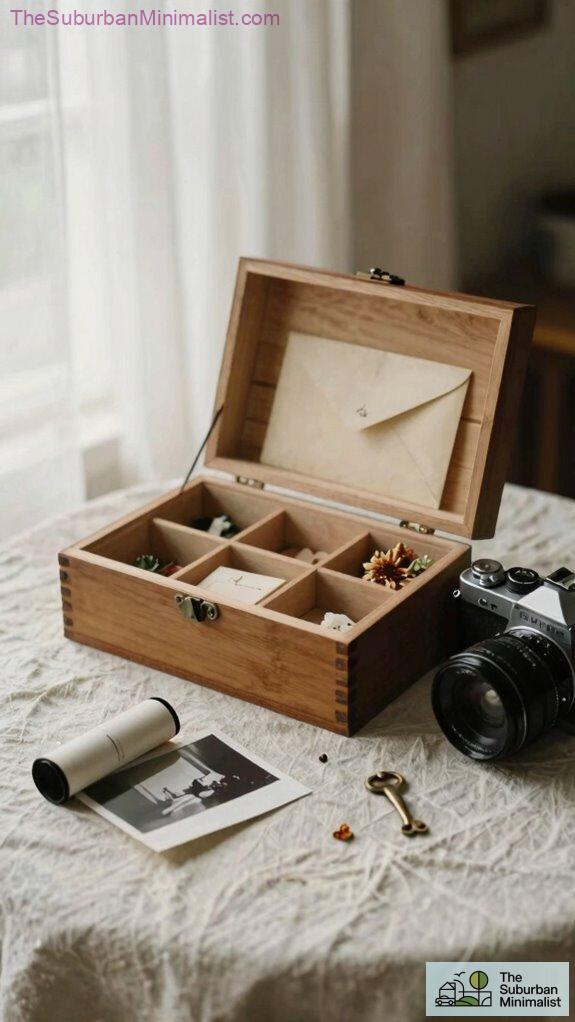
Rituals that honor memories don’t have to feel ceremonial or grandiose; they can be small, tactile threads that stitch a life together without piling on the noise. I’m showing you how I balance emotional detachment with memory preservation, so keepsakes stay meaningful, not chaotic.
Incorporating simple, mindful family traditions regularly helps create a sense of belonging and stability that can be cherished across generations.
Do you keep a single keepsake box, or surfaces that spark a story without shouting for attention? I label, photograph, and rotate items, weaving routines into daily life.
This approach grew from Why I created this website The Suburban Minimalist, a belief that mindful repetition sustains joy.
Ready to sculpt calm reminders, not clutter? Let’s begin—together.
Tools and Systems for Joyful Daily Minimalism
Tools and systems are the quiet gears that keep a joyful, daily minimalism running smoothly. I’m sharing how I keep pace, so you can too. Color psychology guides me to calm palettes, while budget friendly upgrades prove tiny changes scale beautifully.
Do you notice how a soft pewter lamp changes a room’s mood without breaking the bank? Adopting value-based decision making helps me choose what truly adds meaning, preventing clutter from accumulating. Removing non-functional furniture allows your space to breathe and promotes intentional living.
Here’s what helps:
- Simple daily routines that honor clutter-free mornings
- Clear label systems for shelves and drawers
- Flexible storage that adapts with seasons
- Low-cost decor tweaks that spark joy
What small shift feels right for you today? The Suburban Minimalist inspired this, organically.
Maintaining Momentum: Cues to Prevent Future Sentimental Buildup
I’ve learned that momentum isn’t a thunderclap but a string of small, honest cues we cue ourselves with every day. I notice how tiny choices stack: a label on a jar, a playlist that sparks creative expression, a five-minute tidy routine that clears mental space. Incorporating textile color palettes inspired by soft autumn tones can subtly influence mood and atmosphere in my environment. Recognizing the impact of wall-mounted herb gardens on our sense of accomplishment and connection to nature adds another layer of intentionality to daily living.
This keeps my emotional well being steady, shaping a calmer home and sharper focus. Have you felt momentum slip when sentimentals loom? I’ve learned to pause, reflect, and photograph a moment instead of hoarding it.
Why I created this website The Suburban Minimalist? To share practical serenity, one deliberate cue at a time.
Smart Pantry Labels
Smart pantry labels aren’t flashy, but they’re the kind of quiet efficiency I crave when I’m juggling work, family, and a cooking plan that doesn’t rely on mystery jars.
Do you ever notice how labels turn chaos into calm, like vintage textiles tucked into a cabinet—there but not shouting? I love how I can track spices, oats, and plant care staples without muttering to myself at 6 a.m.
This small system helps me honor sustainability, minimalism, and curiosity in one breath.
- Clarity for future meals
- Reusable jars, clear cues
- Plant care prompts
- Vintage-inspired warmth
In fact, using stainless steel coffee grinders can add a durable and stylish touch to your kitchen tools.
Dusty Photo Frames
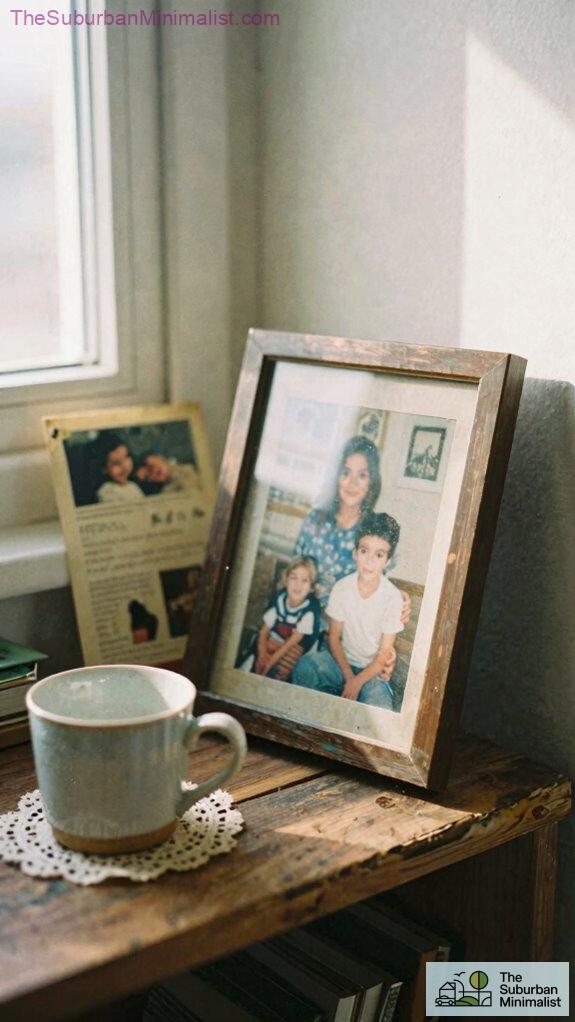
Sometimes I find myself staring at a shelf and thinking about how quickly memory settles into dust, little moments tucked behind glass and wood. Do you notice dusty photo frames as tiny time capsules, waiting to be opened?
I shift them, spotting vintage scenes and collages that once felt chaotic, now curated. I adore how these fragments invite storytelling without shouting.
How can we honor imperfection and still glow with intention? I started this site, The Suburban Minimalist, because clarity matters.
Dust becomes dialogue when framed with care—a playful reminder that memory, not mess, shapes our rooms. Interestingly, digital photo frames offer a modern way to display cherished moments without the dust—bringing clarity and lightness to our memories. Additionally, choosing chic petite wide leg pants can enhance our effortless style, aligning with the idea of intentional living by prioritizing comfort and elegance.
Calm Morning Routine Ritual
Mornings can be soft and purposeful, if I let them be. I wake to quiet light, brew Morning mindfulness tea, and notice textures I love in my space. You deserve a ritual that doesn’t shout, just settles in like a favored scarf. I keep the cadence gentle: stretch, write a line, sip slowly, listen for the day’s first sound.
Herbal infusions drift through the air, calming nerves, sparking ideas. Could a small routine teach us to value stillness amid noise? Sometimes, sorting through personal possessions can help us find closure and appreciate what truly matters.
I built this site, The Suburban Minimalist, to share such moments—organically, honestly, for us. Recognizing how decluttering outdated clothing and accessories creates a more intentional living space can also foster a sense of clarity and happiness.
Suburban Minimalism
Suburban Minimalism isn’t about stripping life to a bare skeleton; it’s about inviting intention to sit beside everyday clutter and choosing what truly serves us. I tell you, dear reader, that space can breathe when we curate with curiosity, not fear.
Suburban Minimalism invites intention to sit beside clutter, choosing what truly serves us.
Adding seasonal clothing thoughtfully ensures our wardrobe reflects intentional living, making space for what genuinely brings us joy and utility.
Do you ever crave adventure travel’s bold echoes at home, or exotic cuisines’s distant memories simmering in jars? I do, and I fold those sparks into calm rooms.
This website, The Suburban Minimalist, was born from a simple why I created it: to share thoughtful, practical beauty. Ready to reframe clutter with intention, together? Yes.
FAQ
How Can I Measure Happiness Impact From Intentional Living Changes?
I measure happiness impact by tracking emotional well being and daily routines, then adjust with rapid experiments. I quantify mood daily, analyze energy shifts, and compare before/after changes, embracing innovative tools to optimize life design and resilience.
What Role Does Time in Nature Play in Space Happiness?
Nature therapy reshapes space happiness: time in nature fuels calm, focus, and resonance with innovation. I’ll guide you toward outdoor mindfulness moments that subtly redesign rooms, connecting indoors with outdoors and amplifying your daily joy.
How Do Budgets Influence Joyful Minimalist Decisions?
Budget decisions shape joy: financial discipline guides me toward purposeful purchases, while clear budget priorities keep innovation alive. I invite you to align values with value, choosing solutions that elevate experience without excess, fostering serene, sustainable delight together.
Can Kids Participate Without Cluttering Again?
Kids’ participation works—just set clutter free zones and clear rules. I invite you to design quick, label-friendly stations, rotating tasks, and tangible rewards, so curiosity thrives without chaos, keeping innovation flowing and spaces serene for everyone.
How to Sustain Motivation Beyond Initial Decluttering?
I sustain motivation after decluttering by building habit formation into my routine, checking in daily, and rewarding progress. I cultivate emotional resilience, reframing setbacks as data, and innovate with micro-habits that keep momentum fresh and purposeful.
Summary
You know that feeling when a room breathes again, right? I do, and I want you to feel it, too. If you fear letting go means losing memory, recall: we’re curating, not erasing. I created this site, The Suburban Minimalist, to show how small shifts—a labeled jar, a quiet corner—reframe a day. So, will you try one tiny shift tonight, and let your space tell a calmer story, one honest moment at a time?