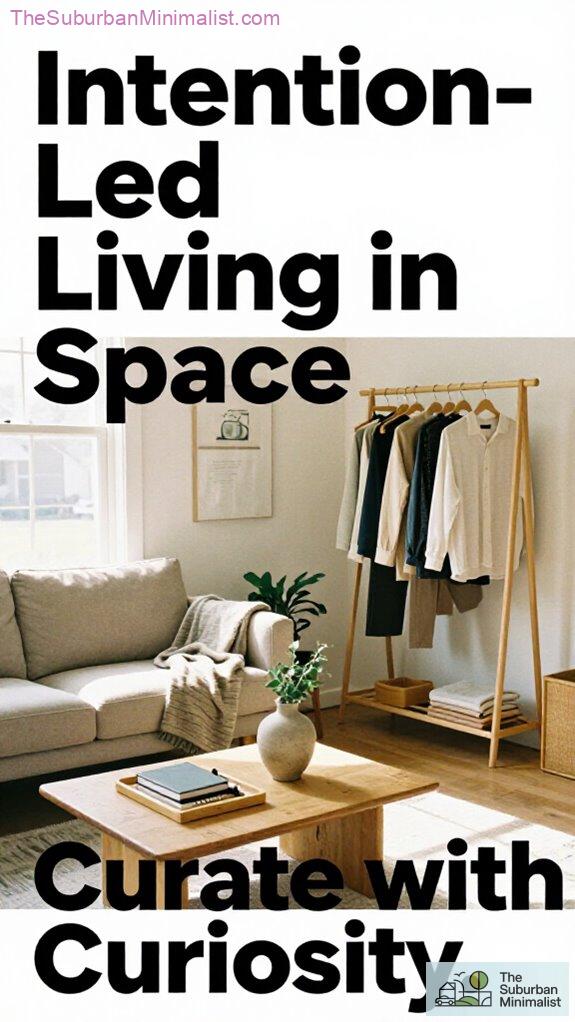
I once stood in my cramped Manhattan studio apartment surrounded by boxes of my parents’ belongings and realized: I was drowning in other people’s memories.
Letting go isn’t erasing the past. It’s choosing what actually matters. I’ve learned to rotate photos, document items before donating them, keep only what breathes calm into my space.
Sounds minimal? Maybe. But honestly? It’s radical.
That’s why I created The Suburban Minimalist. Not to shame you into empty rooms. But to prove that simplicity can feel warm, intentional, human.
Decluttering Emotional Attachments: My Journey to Intentional Living
Last spring, I photographed every item from my grandmother’s china set before donating it. The act felt sacred—like permission to release without losing. That single choice shifted everything. Sentimental attachment doesn’t require physical possession. By creating visual documentation, I honored the memory while reclaiming my physical and mental space. This practice became my gateway to understanding sustainable minimalism. It’s not about deprivation; it’s about conscious curation. Whether you’re managing inherited belongings, sentimental collections, or everyday clutter, emotional minimalism requires gentleness. I learned that mindful letting go—releasing possessions with gratitude rather than guilt—transforms your relationship with stuff and space.
Quick Takeaways
- Acknowledge emotional ties, then deliberate—decide what to keep or let go with intention to gain emotional clarity.
- Photograph and preserve meaningful items before parting to honor memories without keeping clutter.
- Use seasonal decluttering to prioritize cherished photos and memories, rotating what matters most.
- Create calm, curated spaces with meaningful items to support warmth, restraint, and honest reflection.
- Establish practical boundaries and mindful routines to reduce overwhelm and sustain a peaceful, purposeful lifestyle.
Decide What to Keep: A Toy Decluttering Guide
Deciding what to keep feels less like a chore and more like curating a quiet life, especially when the toys are a chorus of memories and mismatched pieces. I’m guiding you toward a garden oasis in our drawers and closets, where personal growth hides in patterns and textures. Embracing mindful choices can transform the decluttering process into an opportunity for family traditions, celebrating the stories each item holds. Do you really need that squeaky bunny or could it become a memory box that sparkles with meaning? Incorporating sustainable practices like repurposing or donating not only declutters your space but also reduces environmental impact. I keep things that invite future stories, not clutter. This approach echoes why I created this website, The Suburban Minimalist: to blend warmth with restraint, gently, honestly, and with wit.
Ready to choose, together?
Create Meaningful Keepsakes: Alternatives to Toys
Some days I want to clear the clutter without erasing the memories, so I’m choosing meaningful keepsakes that aren’t toys but still tell a story. Memory boxes become tiny museums of growth, not junk, and I curate them with care. I love handcrafted keepsakes—pressed flowers encased in glass, a handmade quilt square, a ceramic spoon from a weekend market—that whisper of moments rather than rooms. Practicing intentional decluttering techniques allows me to gradually release items while honoring their sentimental significance. Recognizing the true value of memories helps me focus on preserving emotional meaning rather than material accumulation. Do you crave tangible proof of love without clutter? I write this for you, balancing style and sentiment.
This approach mirrors why I created this website, The Suburban Minimalist, organically changing with every small, intentional choice.
Step-by-Step Toy Decluttering Plan
Sometimes I find myself staring at a toy chest and wondering which treasures deserve a spotlight and which can bow out with a quiet goodbye. I map a Step-by-Step Toy Decluttering Plan that feels fresh and doable.
Sometimes I scan the toy chest and map a fresh, doable decluttering plan.
One helpful approach is to acknowledge the emotional ties we have to certain possessions, allowing us to gently navigate the process of letting go.
Recognizing mindful consumption habits can also help families make thoughtful decisions about which toys to keep and which to donate or recycle, fostering a sense of intentionality.
First, I sort through toy heirlooms and sentimental items, keeping only those that spark a warm memory or teach a favorite skill.
Then I photograph each kept piece, shrink the rest, and donate what still shines in another child’s day.
Why I created this website The Suburban Minimalist? To show practical beauty in motion, one thoughtful choice at a time.
Ready to begin together?
Set Boundaries for Future Toy Intake
I’ve learned that boundaries aren’t walls so much as gentle gatekeepers for our spaces, and I’m setting them with the same care I use when arranging a vignette on the console table.
Do you ever consider what arrives with intention versus impulse? I prioritize sustainable packaging and mindful receipts, because clutter isn’t just visual—it’s mental fog. Practicing intentionality helps create a sense of emotional clarity, making space for what truly matters.
Learning boundaries isn’t punitive; it’s playful research into joy. I share tips from my days refining a calm closet and a calmer kitchen.
In addition, choosing woven pet toy baskets helps organize toys beautifully while respecting our environmental values.
Why I created this website The Suburban Minimalist? to invite thoughtful, creative living without waste.
Ready to redefine intake, together?
Donate, Recycle, or Repurpose Toys Thoughtfully
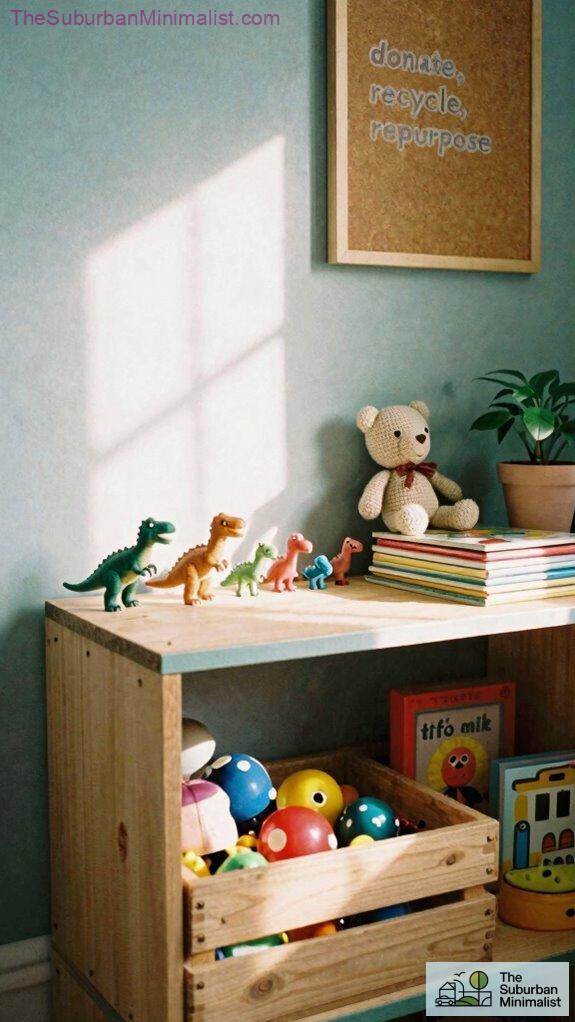
Focusing on toys with intention feels like curating a quiet shelf rather than wading through a flood of plastic. I invite you to contemplate toy donation strategies that respect kids’ memories while gifting new ones a second life. I’ve learned to pair care with purpose, choosing eco friendly recycling options when reuse isn’t possible. Do we really need a landfill full of mismatched bits? Here’s a simple grid to guide you:
| Donor | Recycle/Repurpose |
|---|---|
| Local shelters | Gift-a-new-life programs |
| Schools | Furniture-based repair shop |
The Suburban Minimalist taught me this instinct: thoughtful action creates calm. Incorporating eco friendly recycling into your toy management creates a more mindful approach to reducing waste, emphasizing the importance of sustainable waste management techniques.
Keep a Calm, Clutter-Free Toy Space
Keep a calm, clutter-free toy space by choosing fewer, better toys and giving each piece a clear home. I’m learning that toy storage isn’t just about boxes; it’s about rhythm.
Do you notice how a tidy shelf frees your mind to envision? I’ve swapped loose piles for labeled bins and a single, small bookcase—quiet, practical, satisfying.
Clutter management becomes a tiny victory, not a battle. I miss the old chaos, yet I’m astonished by calm moments, the way a wooden block settles and invites play.
Establishing boundaries with possessions helps reinforce a sense of control and peace in the space. Why I created this site, The Suburban Minimalist, feels organic, never forced. Isn’t simplicity contagious?
Boutique Linen Napkins Set
Boutique Linen Napkins Set feels like a quiet invitation to slow down at the table, a small luxury that makes everyday meals feel a touch more ceremonial. I’m curious: could a napkin change a moment, or only dress it?
Linen luxury, I tell myself, is about touch and memory, the way fibers soften after use. Table elegance isn’t showy; it’s a calm backdrop for conversation. I like how these napkins pair with simple joy—wine stains become stories.
Maybe that’s why I created this website The Suburban Minimalist—to share tiny rituals that anchor our days. Aren’t small refinements worth keeping?
Framed Family Photo Collection
I’ve started gathering the framed stories that live on the walls because photos aren’t just decorations; they’re anchors for days when the house feels loud. These frames whisper a nursery design idea I didn’t expect to love: the way light hits a portrait, the way a kid’s grin narrates our family philosophy. Do you keep some memories close, or rotate them like seasons? Incorporating seasonal decluttering principles into your photo collection can help you decide what to cherish and what to let go. Adding a lighting enhancement can emphasize some photos and change the way the stories are perceived. I write, you listen, we both choose what to carry forward. I created this website, The Suburban Minimalist, to remind myself that simplicity can still surprise. Ready to edit your wall of life with intention?
Daybreak Breath Meditation
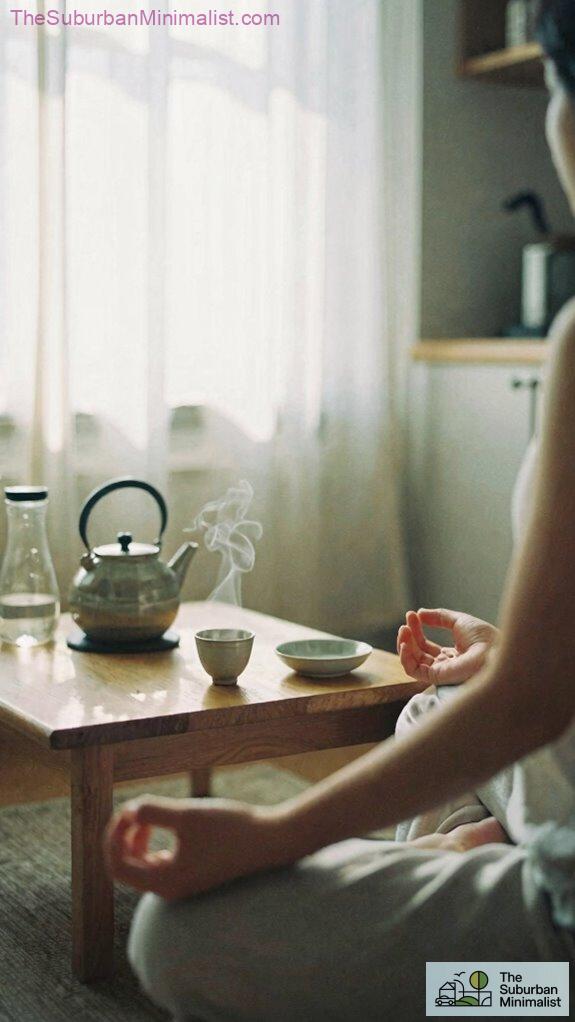
Daybreak breath feels like opening a window to the day’s soft, hopeful hum. I invite you to try with me: inhale slowly, exhale steady, mindful awareness guiding each moment. Do you notice how the house yawns awake along with us?
Breath awareness becomes our quiet tool, shaping the morning into a deliberate ritual. I’ve learned to pause at the kettle’s whistle, letting thoughts drift as light as steam, then return to the breath. Establishing a home color scheme that reflects calm and clarity can further enhance this sense of peace in your space.
This practice supports the Suburban Minimalist ethos I adore, weaving calm into decor decisions. Why I created this website, The Suburban Minimalist, was to share such useful, tiny revolutions. Practicing intentional breathing also helps reduce decision fatigue, allowing for clearer choices aligned with our core values.
Suburban Minimalism
Suburban Minimalism isn’t about stripping life down to its bare bones; it’s about trimming the noise so the moments matter more. I’m right there with you, balancing silver tones and soft textures, asking what truly serves us.
Garden serenity feels like a whisper in a busy week, a cue to slow down and notice. Wellness retreats aren’t far away; they live in our porches, coffee sips, and sunlit corners.
Here’s what helps:
- Decluttered entry by design
- White oak benches for pause
- Hidden storage that stays charming
- Quiet tech with soft lighting
- Scented rituals for calm
Eliminating unnecessary non-functional furniture creates space for meaningful moments and reduces the emotional burden of clutter. Simplifying our environment can also foster a sense of mindfulness, making it easier to stay present during daily activities.
Ever wonder why I created this website The Suburban Minimalist?
FAQ
How Can I Honor Emotions During the Letting-Go Process?
I honor emotions by practicing emotional awareness and embracing the grieving process, inviting you to witness my honesty. I explore, journal, and share with trusted readers, innovating ways to transform pain into growth, resilience, and compassionate self-understanding.
What Signals Indicate It’s Truly Time to Part With a Toy?
I recognize signals it’s time to part with a toy when Emotional attachment fades and practical use outweighs sentiment; sentimental value no longer justifies shelf space, and I seek innovative, minimalist alternatives that spark daily joy and utility.
How Do I Involve Children Without Triggering Resistance?
I involve children by naming feelings, modeling calm emotional expression, and guiding collaborative decisions, because child reassurance matters. I present choices, listen deeply, and celebrate small wins, blending innovation with empathy to ease resistance and build trust.
Can Letting Go Improve Overall Family Resilience and Mood?
Letting go boosts our family’s mood and resilience, I swear. With emotional awareness, we adapt faster, bounce back from hiccups, and model healthy change. Resilience building becomes second nature when we embracing imperfect progress and curiosity.
What Self-Care Practices Support the Letting-Go Journey?
I practice mindful breathing and journaling reflections to support the letting-go journey, and I invite you to try them too; these innovations in self-care calm the mind, clarify priorities, and cultivate resilient grace through shifting moments.
Summary
I’ve learned that letting go isn’t about erasing memories, but about making space for what’s next. So, friend, what small thing will you release today to invite a lighter morning, a calmer shelf, a brighter room? I keep asking myself this, even as I rearrange our linen napkins and frame a new photo. This is why I created The Suburban Minimalist—to share steady, hopeful steps. If you’re listening, you’re already on the path. Let’s walk it together, one mindful choice at a time.