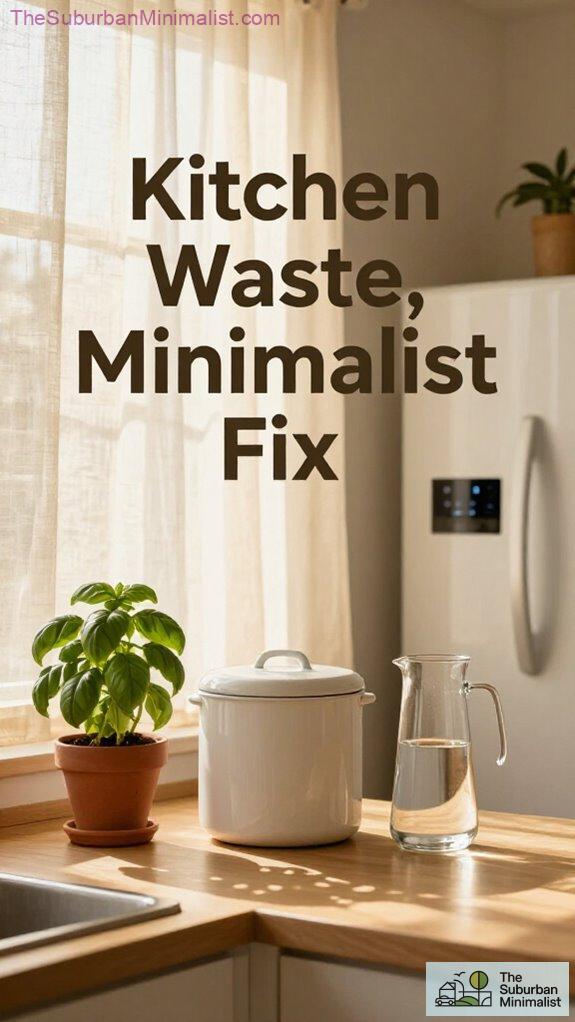
Tired of garbage dominating your tiny yard? Yeah, me too.
I ditched the trash bag chaos and went all-in on composting. Electric bin. Sleek boxes. Suddenly my eggshells weren’t waste—they were garden magic. Coffee grounds became kale fuel. Sounds dramatic? It’s not.
I built The Suburban Minimalist to show you this: small, intentional choices actually compound. Less stuff. More meaning. That’s the whole thing.
—
How I Reduced My Household Waste by 60% Through Intentional Living
Last summer, I tracked everything I threw away for two weeks. The number haunted me—four overflowing bags weekly. That’s when I realized minimalism isn’t just aesthetic; it’s ecological. I started refusing single-use plastics, buying package-free groceries, and composting aggressively. Within months, one bag replaced four. The shift wasn’t about deprivation. It was liberation. I spent less, stressed less, and felt aligned with my values. Sustainable living and waste reduction became intertwined with my identity. Now? I can’t unsee how much unnecessary consumption we normalize.
Quick Takeaways
- Use sleek electric compost bins indoors to reduce landfill waste while maintaining odor-free, minimalist kitchen spaces.
- Conceal compost and waste stations within cabinetry to blend functionality with suburban aesthetics and reduce visual clutter.
- Treat organic scraps as regenerative resources by creating nutrient-rich compost for backyard garden beds.
- Sort waste mindfully into compost, recyclables, and non-recyclables based on household habits for effective sustainable management.
- Combine durable, natural-material furniture with modular storage to support minimalism and organized, eco-friendly living.
Choose the Right Indoor Electric Compost Bin for Your Kitchen
Even though I once believed the only way to compost was by trudging into the backyard with a smelly bucket—only to attract raccoons and judgmental neighbors—I now know better.
Trudging to the backyard with a smelly bucket only attracted raccoons and side-eye—turns out composting can be clean, quiet, and surprisingly chic.
That’s why I created The Suburban Minimalist: to figure out how to live lightly without sacrificing style or sanity.
So, how do you handle compostable materials without wrecking indoor air quality? Easy—I use a sleek electric compost bin under my bamboo pantry risers.
It dries scraps in hours, locks in odor, and looks like modern art, not a trash experiment.
Who says eco-friendly can’t be elegant? Wouldn’t you rather sip your pour-over in a fresh kitchen than dodge fruit flies?
This tiny tech upgrade keeps my space clean, calm, and quietly revolutionary—one banana peel at a time. Plus, choosing petite linens for summer makes eco-conscious living feel effortless and stylish.
And for those interested in versatile storage options, portable external hard drives are ideal for keeping digital files safe while on the go.
Hide It Well: Smart Placement Without Sacrificing Access
Hidden storage isn’t about hiding clutter—it’s about smart access with aesthetic concealment. I tucked mine beside the pantry, behind a sliding oak panel. It’s quiet. Efficient. No eyesore, no compromise.
Why do you think I created The Suburban Minimalist? To share these small, powerful choices—like treating waste management like lighting or art.
Because sustainability shouldn’t shout. It should whisper, *“I belong here.”*
Simple. Seamless. Ours.
Match Your Bin to Your Pantry’s Waste Habits
I used to think composting meant guilt-free coffee grounds—until I tracked my trash. Turns out, my real waste? Plastic wrappers from “sustainable packaging” that weren’t recyclable. Sound familiar?
We believe composting myths—that everything breaks down, that “eco” always means better. But real change starts with matching your bin to your habits.
Now, a sleek kitchen compost bin handles scraps, while a separate recyclables station manages what’s truly recyclable. Recognizing that sustainable waste management isn’t just about composting, but about understanding what’s actually recyclable, made all the difference. Additionally, donating unwanted baby gear and toys can significantly reduce waste and support families in need.
Funny how seeing waste clearly made me care more. That’s why I created The Suburban Minimalist—to share what works, not just what looks good.
Use Scraps to Start Real Compost (Not Just Reduce Trash)
You know what finally made composting click for me?
Treating scraps like seeds, not shame. I stopped seeing banana peels and coffee grounds as waste and started viewing them as raw material for something alive. This shift—from reduction to creation—changed everything. Incorporating composting methods that embrace the natural decomposition process has made it easier to maintain a sustainable routine.
Now, I crush eggshells into grit for future garden soil, all while ditching plastic bags and embracing sustainable packaging that composts right alongside the food. It’s my favorite form of green home technology—quietly radical, deeply satisfying.
Maintain Your Indoor Electric Compost Bin for Zero Odor
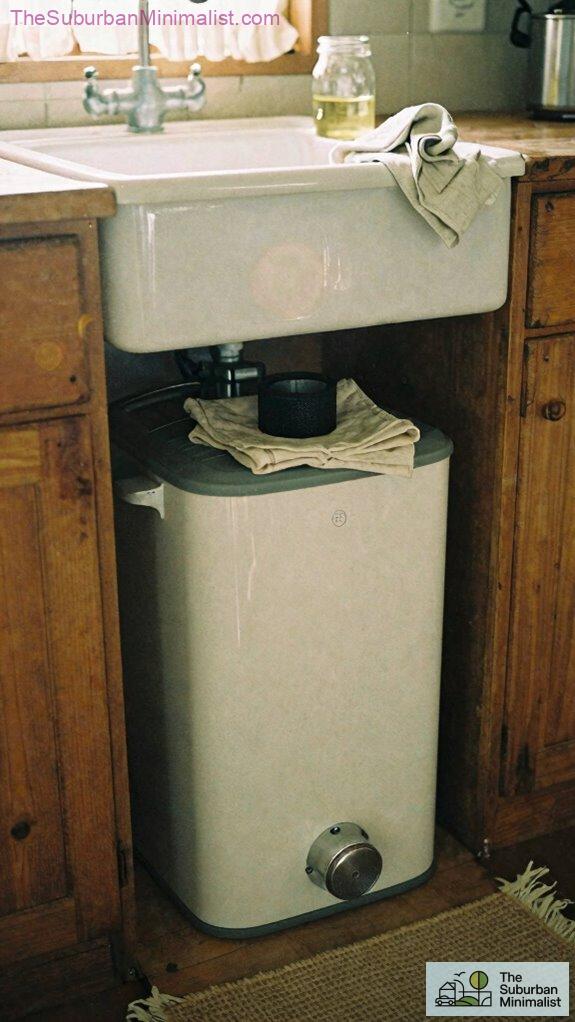
Though it sounds like magic, keeping your indoor electric compost bin odor-free isn’t about luck—it’s about consistency.
Odor-free composting isn’t magic—it’s routine. Empty, wipe, filter. Consistency turns stink into sense.
I empty mine every two days, wipe it with vinegar, and use activated charcoal filters for real odor neutralization. Skip this, and—well, you’ll know.
I tuck mine under the sink, blending it into the cabinetry for perfect aesthetic concealment. No eyesore, just quiet function.
You want innovation? This tiny ritual cuts landfill waste *and* keeps your kitchen smelling like lemon oil, not last night’s dinner. Proper waste management practices can drastically reduce household odors and environmental impact.
Additionally, incorporating handwoven jute rugs into your space can help improve indoor air quality by naturally absorbing humidity and odors, complementing your waste management efforts.
Why I created The Suburban Minimalist? To share these small, smart wins—where high design meets dirt-under-the-nails practicality, without the fluff.
Eco-Friendly Entryway Organizers
What if the chaos of backpacks, shoes, and dog leashes could actually look *good*?
I’ve mastered queue management in my entryway—each item has a purpose, a place. White oak benches hold bags, woven baskets corral pet gear, and sleek shoe cabinets hide the daily avalanche.
Entryway lighting? Warm, layered,, and intentional—spotlighting beauty, not clutter.
In addition, incorporating sustainable teak bistro sets can elevate outdoor spaces with style and eco-consciousness.
It’s why I created this website, *The Suburban Minimalist*—to show how eco-friendly organizers aren’t just practical, they’re quietly revolutionary.
Understanding the value of memories helps us recognize that some belongings hold sentimental significance beyond material worth.
No more tripping over chaos. Just calm, connection, and a space that breathes.
And honestly? It feels like magic every time I walk in the door.
Pantry Jar Labeling System
Because I used to open my pantry and feel like I was staring into a beige abyss of confusion—oats next to lentils, baking soda buried behind the quinoa—I finally got serious about labeling.
Staring into a beige abyss of pantry chaos—oats next to lentils, baking soda lost behind quinoa—was my daily reality until labels brought order.
Now, my borosilicate jars wear sleek chalkboard tags, color-coded by category. It’s not just pretty—it’s practical. Clear labels mean I *use* what I have, cutting waste and sidestepping recycling myths like “all glass is automatically green.” Spoiler: it’s not, if it’s contaminated.
And with composting regulations varying by town, proper labeling keeps food scraps out of recycling, where they don’t belong. Recognizing the importance of mindful organization helps me stay aligned with sustainable habits. One simple step like labeling can dramatically reduce clutter and prevent unnecessary waste, supporting my goal of minimalist living.
Funny how a little marker on a jar does more than organize—it aligns my habits with actual sustainability.
Why I created The Suburban Minimalist? This is why.
Compost-Infused Garden Beds
How do you turn backyard scraps into black gold without losing your sanity—or your sense of style? I composted my first coffee grounds thinking I’d fail, but now my garden thrives on what used to clog the trash. The secret’s in the balance: Plant selection isn’t just about beauty—it’s chemistry. I pair nitrogen-lovers like kale with carbon-rich mulch layering (hello, shredded oak leaves) to keep things breathing. Keeping things organized and adding a touch of charm can turn your composting area into a decorative keepsake box of natural beauty. Incorporating stylish concrete seating into your compost space can also enhance its functionality and aesthetic appeal, making it a seamless part of your landscape design.
It’s not glamorous, but it’s quietly revolutionary.
That’s why I created this website—The Suburban Minimalist—not to chase emptiness, but to grow richness where it counts. Less waste. More life.
Suburban Minimalism
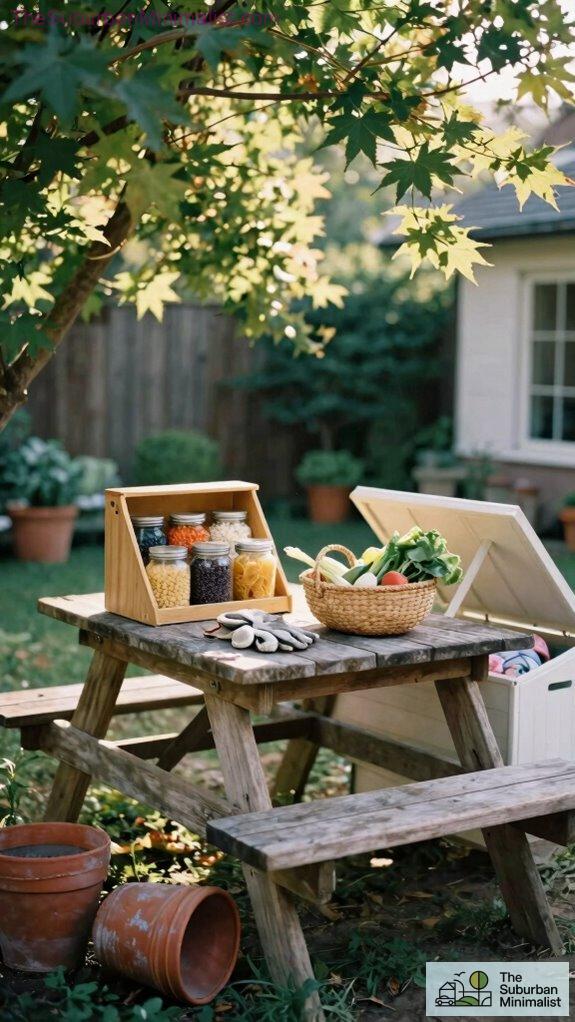
Though I once thought minimalism meant stripping everything bare and living like a showroom display, I’ve learned it’s really about making space for what actually matters—like not tripping over shoes in the entryway or dodging expired condiments in the back of the fridge.
Now, I design with intention, blending suburban comfort with Urban integration and community engagement.
Why did I create this website, The Suburban Minimalist? To share what works.
- White oak storage benches
- Bamboo pantry organizers
- Keyless smart locks
- Modular toy systems
It’s not about less, but better—curating calm, cutting clutter, and connecting with neighbors who value mindful living.
Who knew quiet could be this powerful?
FAQ
Can I Compost Oily Food Waste in My Electric Bin?
No, I don’t compost oily waste in my electric bin—it disrupts decomposition and harms compost sustainability. Instead, I repurpose it mindfully or dispose of it separately, keeping my system efficient and aligned with innovative, eco-conscious practices that elevate suburban minimalism.
Do Compost Bins Attract Pests Indoors?
Yes, I keep pests away by sealing my compost bin tightly—98% of indoor infestations come from improper storage. I use indoor pest control features like charcoal filters and automatic sealing, turning pest prevention strategies into smart, seamless habits that fit my high-performance lifestyle.
How Do I Clean My Bin’s Odor Filter?
I clean my bin’s odor filter monthly by rinsing it with vinegar—simple. For lasting freshness, I rely on odor filter maintenance and smart air purifier integration, both keeping my kitchen’s air crisp and tech in harmony with my clean, quiet home.
Are Compost Bins Safe Around Pets and Kids?
Yes, I keep my compost bin safe around pets and kids with secure, elevated designs and pet safety locks. It’s child protection built in—odor-free, smart, and seamless—so I maintain peace of mind while embracing innovative, clean living at home.
Can I Use Compost From Electric Bins in Vegetable Gardens?
Yes, I use compost from electric bins in my vegetable gardens—it’s safe and rich in nutrients. This method supports suburban recycling and minimalist waste solutions while fueling innovative, clean-growing practices right at home.