I used to own 47 throw pillows. Yes, really.
That’s when I realized my suburban home wasn’t calming—it was suffocating. So I started removing things. Intentionally. Ruthlessly, even.
Now? I keep pieces that actually work. Soft textures. Cool neutrals. Furniture that earns its square footage. Multi-purpose stuff that doesn’t scream “look at me.”
That’s why I built The Suburban Minimalist. Because quiet spaces hit different.
How Decluttering My Guest Room Changed Everything
Last spring, I tackled our guest bedroom and found three unused nightstands, five lamps, and enough decorative objects to fill a boutique. Clearing it out took a weekend. What emerged was breathing room—literally and mentally.
I swapped excess for layered lighting. Invested in quality basics instead of fast furniture trends. The space now feels intentional, not cluttered. Guests actually comment on how peaceful it feels.
That’s when everything clicked: minimalist living isn’t about deprivation. It’s about editing ruthlessly, choosing thoughtfully, and surrounding yourself with objects that serve purpose or spark genuine joy. Sustainable design and conscious consumption became my baseline.
Quick Takeaways
- Curate spaces with purpose by selecting versatile, multi-function furniture that supports easy reconfiguration and calm, uncluttered layouts.
- Prioritize textures, natural materials, and muted colors to create tactile cohesion and visual quiet across surfaces and furnishings.
- Use layered lighting and daylight strategies to add depth, mood, and serene atmosphere without harsh contrasts.
- Integrate personal artifacts and memory-driven accents to anchor emotional well-being and tell meaningful stories through furniture choices.
- Plan maintenance, durability, and budgeting upfront to reduce decision fatigue and ensure long-lasting, honest pieces.
What Visual Quiet Design Is and Why It Works
Visual quiet design isn’t about empty rooms or future-perfect symmetry; it’s about spaces that breathe, where every piece earns its keep and still feels effortless. I see color psychology guiding mood, furniture ergonomics guiding posture, and a calm that travels from chair to shelf to lamp.
Visual quiet design breathes life into spaces where every piece earns its keep and mood travels softly.
A memory box can serve as a meaningful keepsake, anchoring emotional well-being through personal treasures. Do you notice how a single curve can soothe a day’s edge? I value function paired with gentle texture, so rooms invite rather than command.
This approach grew from my aim to blend beauty with ease—that’s why I created this website The Suburban Minimalist, naturally weaving intention into everyday choices.
Ready to curate with intention?
Define Your Space: Scale, Proportion, and Silhouette
When I walk a room, I don’t just notice colors or how soft the lighting is; I notice how the pieces relate in size to each other and to the people who use them. I chase balance through scale, proportion, and silhouette, and I tire of clutter masquerading as style. Furniture ergonomics guides comfort, while fabric textures invite touch, whispering about daily life. Recognizing the importance of personal artifacts helps in creating a space that truly reflects your story. Have you tuned your furniture to your body’s rhythms? I’ve learned to layer forms like a quiet conversation, keeping space breathable. Incorporating stylish, functional pieces like top wooden pet crates can enhance both safety and aesthetics in your living environment. This is why I created this website, The Suburban Minimalist, to share practical beauty with you.
Quiet Materials and Cool Colors for Cohesion
Quiet materials and cool colors quietly anchor a room, letting the eye glide across surfaces without shouting for attention. I like how textural contrast guides the touch, while material authenticity keeps everything grounded.
A well-balanced casual wear wardrobe reflects this approach, emphasizing comfort and simplicity without sacrificing style.
Do you notice how a chalky ceramic next to a satin metal reads calm, not loud? I choose finishes that invite linger, not haste.
My walls breathe with muted blues and soft grays, paired with oak, linen, and wool. Incorporating soundproofing elements can further enhance the sense of tranquility within a space.
This isn’t just style; it’s a routine, a philosophy I’ve woven into The Suburban Minimalist—why I created this website—so readers feel seen, capable, and curious. Or am I alone here?
Pick Multi-Purpose Pieces That Stay Useful
It’s all about versatility, really—how one piece can travel from kitchen to living room, from weekday rush to lazy Sunday, without missing a beat. I’ve learned to pick multi-purpose pieces that stay useful, because clutter naps when function leads. Do you hear the same instinct whispering through your spaces? Incorporating intentional emotional healing strategies can further support the process of decluttering by fostering a sense of closure and calm. Seasonal textures greet the eye, while Personal accents whisper stories only you can tell. I keep things adaptable, so rooms breathe with quiet confidence.
- Extendable dining tables that double as work surfaces
- Storage ottomans that open to reveal essentials
- Modular seating that reconfigures by need
- Foldable screens for instant zoning
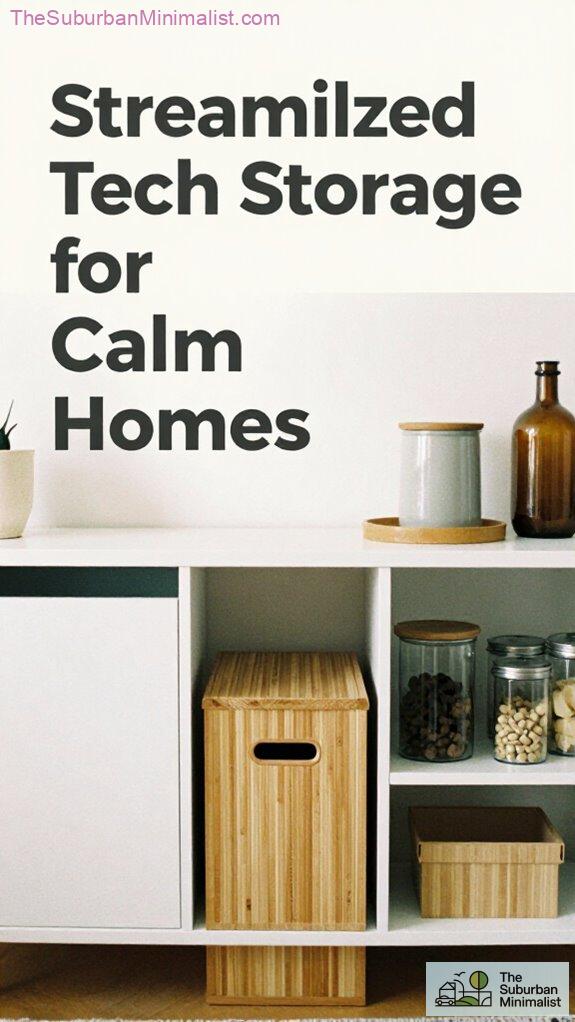
- Raised media consoles for hidden gadgets
Source Smart: Budgeting for Quality Staples
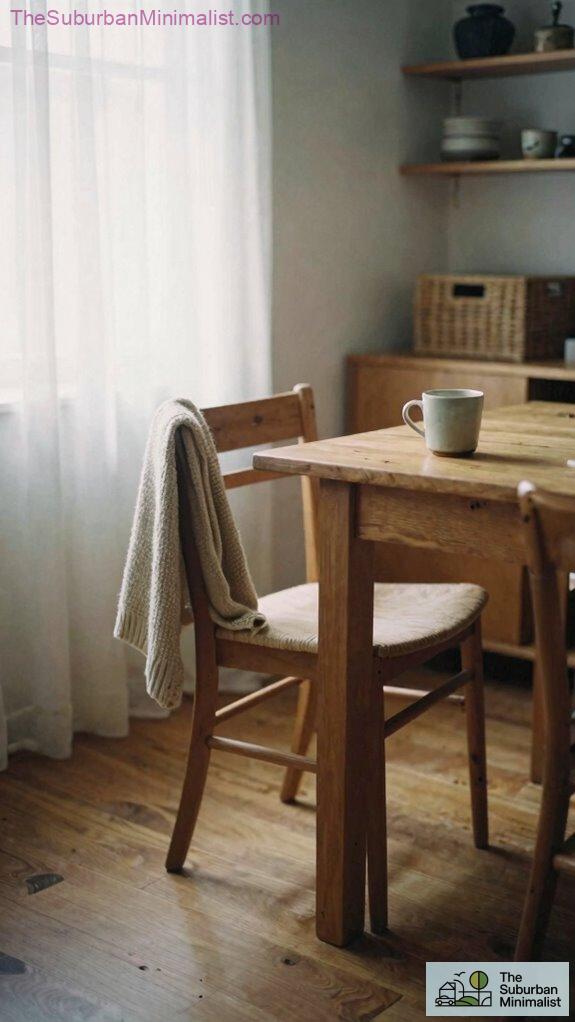
Just like you, I’m always chasing quality that won’t demand sacrifices later, so I’ve learned to source smarter, not pricier. I’m sharing calm, practical steps I use to build with intention, not impulse. Embracing minimalism helps reduce decision fatigue by focusing on what truly adds value. When selecting furniture, considering family traditions can guide choices that honor your values and create lasting memories.
Layout, Lighting, and Upkeep for Longevity
Layout, lighting, and upkeep aren’t just design details—they’re the quiet pillars that keep a home feeling calm and usable, day after day.
I tune spaces like a composer, balancing soft shadows with daylight, asking how each piece serves life, not just eye candy. Accent walls whisper personality, while ceiling textures catch light in playful ways. I swap clutter for intention, knowing longevity loves simple routines and durable finishes.
- Embrace accent walls to frame zones
- Choose ceiling textures that enhance, not shout
- Schedule seasonal checks for wear
- Layer light sources for depth
- Maintain furniture with thoughtful, easy care
Smart Home Lighting Upgrades
Smart home lighting upgrades are a small, powerful way to refresh a room without buying a whole new vibe. I tune ambient layering with warm and cool accents, then tweak color temperature to match moods, from coffee mornings to twilight calls. Do you sense how light shapes space as much as furniture does? Incorporating petite linen wrap dresses into your summer wardrobe exemplifies timeless style, emphasizing versatility and understated elegance. Ambient layering becomes quiet drama, color temperature nudges emotion, and I smile at the tiny rituals. Why I created this website, The Suburban Minimalist, is to reveal how subtle light honors life’s pace, not just trends. Additionally, understanding the importance of minimalist design can help in creating tranquil, clutter-free environments that enhance overall well-being.
Hidden Daylight Scenes
Hidden daylight doesn’t scream for attention; it slips in softly, like a secret we share with the house. I notice it in folded shadows, in linen drapes catching a glint, in edges of a wood table waking with sun. Organic textures glow quietly, seasonal shifts paint the walls without fanfare, and I feel invited to pause. Do you see how a white oak bench becomes a sunlit sculpture, or how a ceramic vase holds a softer day? I also appreciate how eco-friendly minimalism encourages intentional choices that enhance natural light and reduce clutter, creating a harmonious living space. Embracing gradual decluttering helps to preserve meaningful keepsakes while fostering a calm environment. I built The Suburban Minimalist because subtlety matters, and I love teaching that calm can be chic, inevitable, and personal.
- Soft textures greet the light
- Shadows define, not confine
- Seasonally tinted accents
- Quiet, functional focal points
- Daylight as mood creator
Integrated HVAC Zoning
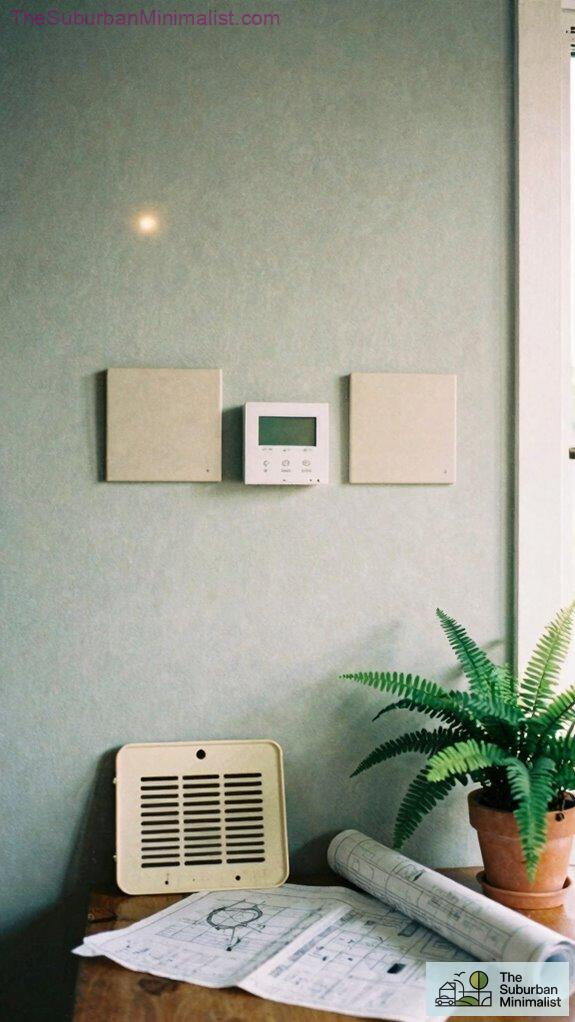
Integrated HVAC zoning feels like a quiet superpower for a home that’s both serene and efficient. I’m learning to listen to air, not just rooms, and I think you’ll hear it too. Climate zoning guides comfort without waste, and airflow optimization becomes a design detail, shaping moods as surely as color. This approach often involves sound dampening wall panels that help create an even quieter environment. When I adjust vents, I feel a small victory, a nod to thoughtful living. Harnessing consumer culture to prioritize quality over quantity encourages a mindful approach to belongings. Does it spark joy or practical calm? Either way, it echoes why I created this website The Suburban Minimalist—to reveal quiet innovations that fit our everyday rituals, gracefully, without shouting.
Suburban Minimalism
Suburban minimalism isn’t about stripping down life; it’s about making room for what truly matters, right here on a quiet cul-de-sac where the days unfold at a gentler pace.
Suburban minimalism makes room for what truly matters, on a quiet cul-de-sac where days unfold with gentle pace.
I’m inviting you to see how Artful layering and Organic textures can coexist with calm, purposeful spaces, not cold emptiness. We choose furniture that breathes, then let it tell a story through measured placement and light. Incorporating intentional design helps create a harmonious environment that nurtures well-being and connection.
What makes it feel alive isn’t clutter but intention. Do you feel that thrill when a room finally hums with quiet confidence? This is why I created this website The Suburban Minimalist, and I’m sharing honestly, with you, right now.
- curated contrasts
- tactile cohesion
- silent storage
- subtle scale
- living textures
- reevaluating outdoor gear to ensure your space remains uncluttered and intentional
FAQ
How Do You Balance Warmth With a Cool-Toned Palette?
Balancing color with warmth starts with layering textures and materials. I mix warm woods, soft linens, and tactile ceramics against cool-toned palettes, creating emotional harmony. I prioritize subtle contrasts and lighting to sustain innovation and inviting coziness.
What Role Do Textures Play in Visual Quiet?
Textures anchor visual quiet by delivering tactile contrast and sensory harmony; I curate surfaces that invite touch, progressing our space into a collaborative dialogue between feel and sight, where innovations in texture heighten calm and purposeful presence.
How Can You Mix Vintage and New Without Clutter?
Mix vintage and new by weaving antique accents with modern pieces, balancing mythic charm and clean lines. I mix decorative accents thoughtfully, curate negative space, and let contrast speak, never cluttering. Innovation thrives when objects complement, not compete.
Which Fabrics Resist Wear yet Read as Refined?
Durable fabrics like my go-tos—sustainable textiles—read refined yet wear well, so I invest in them for longevity. I pair sturdy upholstery with innovative textures, proving durability can be stylish, practical, and unmistakably modern for readers seeking fresh ideas.
How Do You Curate Meaningful Keepsakes Within Minimalism?
I read that 72% of people keep fewer than five keepsakes, so I curate meaning by selecting Decorative accents that tell Personal narratives, balancing relevance and restraint, inviting innovation while honoring memory in every minimal, intentional display.
Summary
I’ve learned that quiet is a choice we make daily, not a trend we chase. When I pause to breathe through a room, I feel the work I put into it—intent, restraint, decent materials, honest lighting—pay off in ease and calm. So I ask again: does this serve, does it soothe, does it stay useful? If yes, I keep it. That’s the Suburban Minimalist dream—organic, practical, a little unexpected, like finding daylight in a hallway.