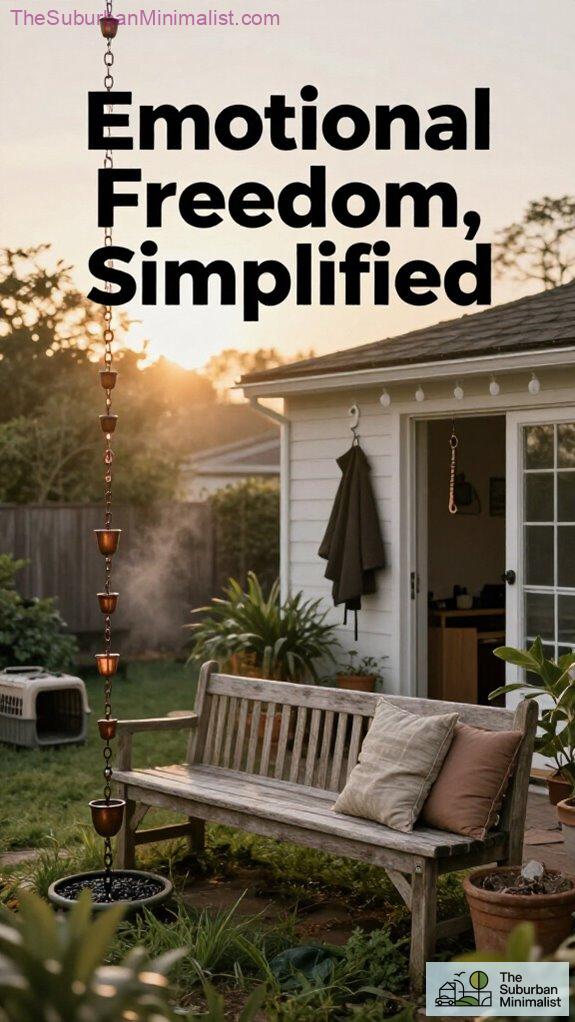
Tripping over toys for the millionth time hit different when you’re living in 800 square feet.
I was drowning. So I got ruthless—kept only what mattered, displayed my daughter’s art intentionally, ditched the rest. Minimalism isn’t boring; it’s liberating.
That’s why I built The Suburban Minimalist. Because your home should feel spacious, not suffocating.
How Intentional Shopping Changed My Family’s Relationship With Stuff
Last year, my six-year-old asked why we needed five toy bins when she played with three toys. That question gutted me. I realized I was modeling overconsumption, not mindfulness. We started a “one-in, one-out” rule. Now she asks before I buy anything: “Do we need this?”
Minimalist parenting isn’t deprivation. It’s teaching kids that experiences matter more than possessions. Her art supplies live on open shelving—accessible, intentional, meaningful. We’ve embraced capsule wardrobes, decluttered toy collections, and prioritized quality over quantity. The shift? My daughter makes more deliberate choices. Less overwhelm. More joy.
Quick Takeaways
- Design adaptable shared spaces with sustainable, modular furniture to grow with children and reduce frequent redesigns.
- Create calm play and learning areas using natural materials, minimal toys, and curated educational tools.
- Select meaningful keepsakes mindfully, using displays like shadow boxes to honor memories without clutter.
- Practice sustainable clutter management by removing worn items and prioritizing value-driven, functional possessions.
- Use small outdoor spaces efficiently with vertical gardens to teach eco-awareness and enhance family connection.
Design Shared Spaces That Grow With Your Child
I used to cram my kid’s room with plastic toys and matchy-matchy decor—until I realized it aged as fast as their growth spurts. Now? I design with breath, not clutter.
I choose sustainable materials like FSC-certified wood furniture that adjusts as they grow—expandable desks, loft beds with hidden storage.
Color harmony isn’t just pretty—it’s peace. Soft sage walls with walnut accents create calm that lasts years, not months.
I mix in modular storage they can rearrange themselves (hello, independence).
This mindful approach aligns with minimalism and sustainable materials, creating a nurturing environment that evolves with my child.
Honestly, that’s why I created this website: The Suburban Minimalist—to share how thoughtful design actually *works* for real families.
Who knew growing up could look this good?
Create Calm With Intentional Play Zones
Because I used to think a playroom had to be loud—bright plastic, towering toy bins, stickers on the walls—I spent years chasing a version of “fun” that actually made me dread stepping inside it.
Now? I design intentional play zones where nature integration meets sensory engagement. Think wooden blocks on a wool rug, potted herbs at kid-height, woven baskets that invite little hands to organize.
Light floods through linen curtains, hitting a wall-mounted nature tray—seashells, pinecones, things that *belong* outside but feel right at home. I also declutter duplicate household items, choosing to keep only what is meaningful and functional, which helps reduce chaos and supports a more intentional living space. Clutter reduction can make a significant difference in creating a peaceful environment.
Why I created The Suburban Minimalist? To prove calm isn’t the enemy of creativity.
It’s the foundation.
Simplify Learning Routines With Minimalist Tools
Where do your kids actually learn best—under a mountain of flashcards and noisy gadgets, or in a space that breathes as much as they do? I’ll be honest—I used to stockpile educational toys until our dining table looked like a tech startup exploded. Then I embraced digital detox and rediscovered focus. Now, our learning zone has just three things: – A single curated caddy with erasable math tiles and recycled sketch pads – A low oak shelf holding seven carefully chosen books (we rotate them weekly—fewer choices, more curiosity) – A silent analog timer that signals shift without screens. Simplifying learning spaces can also help reduce clutter from charging cables. Wellness integration isn’t just for spas; it’s for spelling tests too. Less clutter, more clarity—why I created The Suburban Minimalist. Incorporating value-based decision making into our routines helps us prioritize what truly benefits our children’s growth and well-being.
Preserve Only Meaningful Keepsakes
Sometimes, the hardest part of letting go isn’t the junk—it’s the memory glued to it.
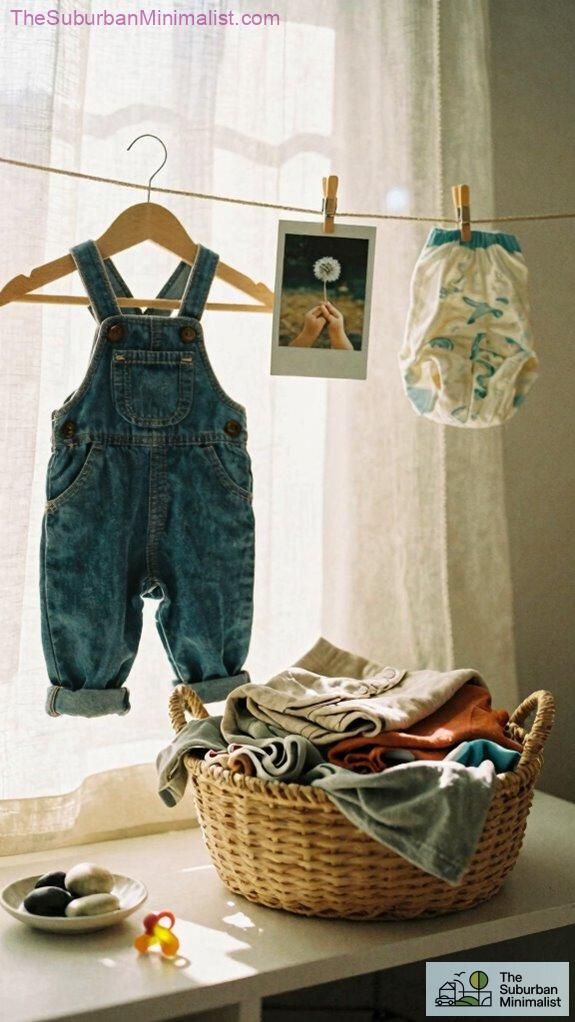
I get it—sentimental clutter isn’t just stuff. It’s report cards, tiny shoes, finger-painted masterpieces. But do you really need all of them?
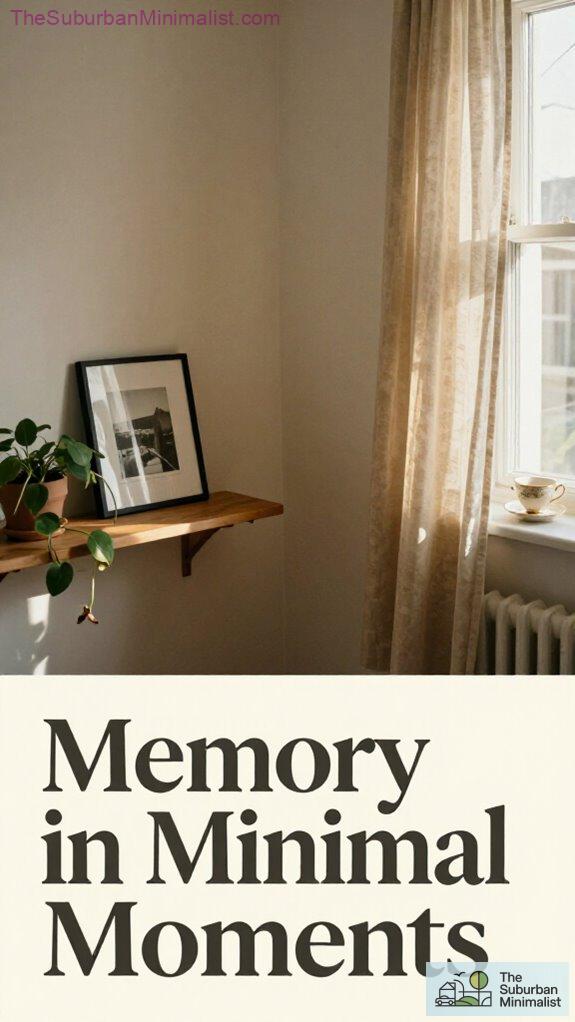
Keepsake selection isn’t about discarding love—it’s about honoring it better. I kept one drawing, not forty. One pair of baby booties, displayed in a shadow box I made for *The Suburban Minimalist*.
What story does each item tell? Does it spark peace, not guilt?
Letting go isn’t loss. It’s making room for what matters—space, calm, and the present moment you’re actually living.
Cherishing meaningful memories over material possessions helps build a legacy of love and connection that lasts beyond physical objects.
Understanding the importance of emotional attachment can help in making decluttering decisions that resonate with your family’s values.
Model Mindful Ownership Every Day
When I catch myself reaching for yet another decor pillow at the store—because, let’s be honest, who needs seven?—I pause and ask, “Does this spark calm, or just clutter?” That simple question is my anchor, the quiet voice behind *The Suburban Minimalist*, the place where I first learned to stop decorating my stress and start designing my peace.
- I practice sustainable habits by choosing only what serves purpose and joy
- I commit to digital decluttering, keeping screens out of sacred spaces
- I model mindful ownership so my kids see value, not volume
- I remind myself that decluttering sentimental items involves balancing nostalgia and practicality to preserve meaningful memories without excess. Additionally, understanding the principles of value-based decision making helps me distinguish between what’s truly necessary and what’s just extra.
Why own more when presence matters more?
Embracing Emptiness as Renewal
And that’s when I learned: emptiness isn’t absence. It’s renewal.
I used to panic at blank walls, bare countertops, spaces without stuff. But visual decluttering taught me that stillness breathes. It lets your eye rest and your mind reset. I started leaving shelves empty—not because I lacked things, but because I valued aesthetic preservation over accumulation.
Ever notice how a room sighs when you remove the excess? That’s the sound of intention winning. Incorporating essential skincare items into my clutter-free routine has shown me how simplicity can also mean better self-care.
That’s why I created this website, The Suburban Minimalist—not to empty homes, but to refill them with meaning.
Removing outdated electronics and chargers frees up space and simplifies your environment. Emptiness isn’t the end. It’s space for what matters to grow.
Sculptural Utility in Entryways
Where does the rhythm of your day truly begin?
For me, it starts right at the entryway—where functional aesthetics meet real life. I designed this space not just to look good, but to *work*. A white oak bench with hidden cubbies holds shoes, backpacks, and dog leashes—all within reach but out of sight. That’s sculptural organization: beauty with a job to do.
You know, it’s why I created The Suburban Minimalist—to show how thoughtful design eases parenting chaos without sacrificing style.
- A bench that doubles as storage
- Oak hooks shaped like tree branches
- A basket for each family member’s “daily debris”
According to simple decluttering steps, removing expired pantry items can clear your space efficiently—reducing clutter and making way for fresh essentials.
Sculptural utility isn’t just art. It’s sanity.
Suburban Minimalism
Though I used to think minimalism meant bare shelves and a serious lack of throw pillows, I’ve learned it’s less about emptiness and more about intention—about creating space so life doesn’t feel like a never-ending game of triage. A stress-free approach to holiday planning can help keep the season joyful rather than overwhelming. Now, my backyard hums with life—vertical plantings climb the fence, turning a cramped lot into a living wall. We grow herbs and greens in stacked planters, teaching the kids sustainable gardening without needing an acre. Tossing out worn-out shoes and boots is also part of embracing clutter management, making our spaces more functional and inviting.
Who knew less clutter could mean more connection?
FAQ
How Do I Handle Family Disagreements About Minimalism?
I’ve turned a single glance into a family revolution—honest Parenting communication and calm Conflict resolution make all the difference. We listen, adapt, and innovate together, transforming disagreements into design opportunities that shape our serene, intentional home.
Can Minimalism Work With a Large Extended Family?
Yes, minimalism works with a large extended family when I lead with calm, clear minimalist leadership. I simplify shared spaces, honor extended family dynamics with smart storage, and use multifunctional design to keep peace while elevating everyday life.
What if My Partner Resists Minimalist Changes at Home?
I’ve found that even a Victorian-era stubbornness can melt with patience—set personal boundaries gently, invite him to co-design spaces, and let emotional adjustments unfold. Minimalism evolves; we tweak, test, and transform—together, it’s innovation we grow into, not just a style we impose.
How Do I Maintain Minimalism During Holidays and Gifts?
I streamline holidays by gifting experiences and using minimalist decor tips like potted evergreens and reusable linen wraps. I do holiday gift decluttering promptly, keeping only what sparks joy or serves a purpose, so calm stays intact.
Is Minimalism Too Rigid for a Chaotic Family Life?
Isn’t chaos just life waiting to be gently guided? I’ve found minimalism isn’t rigid—it thrives on flexible routines and child friendly spaces that evolve with us, not against us. It’s smart, adaptable, and built for real innovation in the mess and magic of family life.