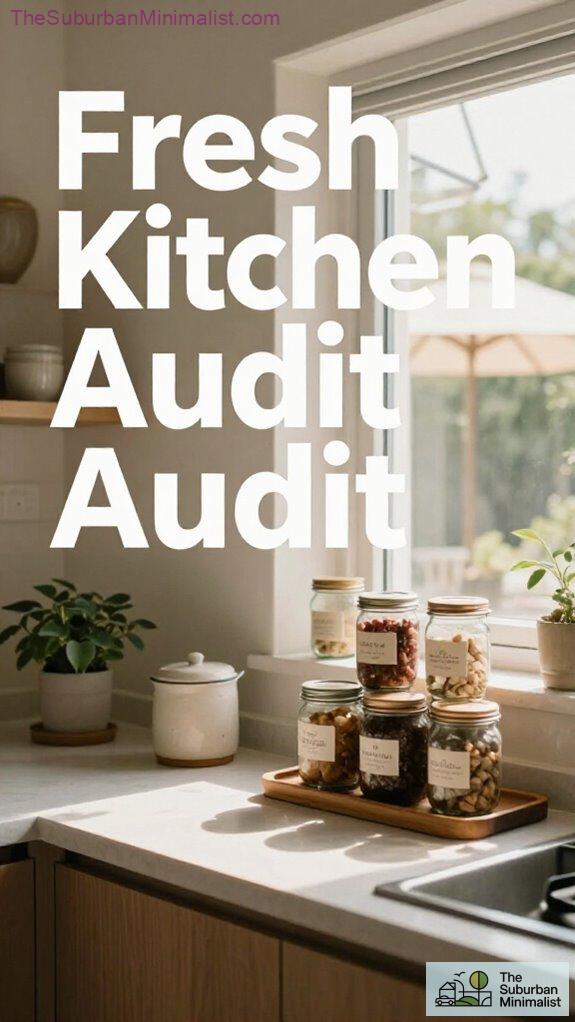
Turns out, my overflowing kitchen trash was screaming for help.
I started rotating pantry items obsessively. Labeled everything. Built a recycling system that actually doesn’t look like garbage. Started composting scraps instead of watching them rot in landfills. It felt weirdly satisfying—like finally getting control back.
That’s when I realized: sustainable living shouldn’t feel like a chore. So I created The Suburban Minimalist to prove it.
Clear jars. Color-coded bins. A calm home that doesn’t sacrifice function for form. Small choices. Big impact.
How I Cut My Household Waste in Half: A Real Minimalist Kitchen Overhaul
Last spring, I couldn’t ignore it anymore—my trash can was overflowing twice weekly. I overhauled my entire kitchen organization system. Invested in glass storage containers, meal planned ruthlessly, and started composting food scraps. Within three months? Trash output dropped 50%. I stopped buying packaged goods, switched to reusable shopping bags, and implemented a zero-waste grocery routine. The real shift came when I treated waste reduction like interior design, not punishment. My suburban kitchen transformed into this peaceful, intentional space. Now I’m obsessed with sustainable product swaps and conscious consumption. It genuinely changed how I view household management and environmental responsibility.
Quick Takeaways
- Adopt smart waste bins with color cues and sensors to improve segregation and reduce contamination.
- Practice kitchen composting for fruit/vegetable scraps and use electric composters to streamline outdoor waste processing.
- Implement minimalist, labeled storage and rotation (clear jars, chalkboard tags) to minimize spoilage and clutter.
- Separate and properly dispose of hazardous items with clear labeling and dedicated, eco-friendly packaging.
- Reuse and recycle through built-in recycling alcoves and stylish, space-efficient design that hides waste yet promotes proper disposal.
What Counts as Expired Food and When to Act
Expired food isn’t always obvious at first glance, so I’ve learned to trust more than just the date on the jar. I ask myself: does the scent tell a story, or does it scream “garage sale misstep”?
Expired produce hides in plain sight, while spoiled dairy clings to a memory of better meals. I’ve slipped up, tossed leftovers late, and felt that swing between guilt and relief when composting begins.
Being mindful of food waste can help prevent unnecessary disposal and reduce our environmental impact. Recognizing signs of food spoilage beyond expiration dates is crucial in reducing waste and making eco-friendly choices.
My spaces deserve calm, not wasteful drama. This is why I created this website The Suburban Minimalist—to guide readers toward thoughtful choices, clever labels, and intentional, hopeful kitchens.
Aren’t we all refining our cycles?
Safe Disposal Methods by Food Type
I’ve learned that the way we dispose of food shapes more than just the trash can—it shapes our whole homes.
The way we dispose of food shapes more than the trash—it shapes our homes.
I’m curious: what’s your go-to method for scraps by type? For fruit and veg, I favor composting techniques that turn peels into soil, not waste. Incorporating plastic-free storage techniques can further minimize packaging waste from the start.
Dairy, meat, and oils demand stricter handling—air-tight containers, then eco-friendly packaging for transport to drop-offs.
Stale bread becomes breadcrumbs, or a rustic crouton treasure.
Utilizing appropriate disposal methods for different food types can significantly reduce environmental impact and promote sustainability.
I created this website The Suburban Minimalist to share small, smart rituals that feel like home decor for the waste stream.
Ready to rethink leftovers and nourish our spaces together?
Rotate Pantry Items to Reduce Waste
Rotating pantry items isn’t just smart; it’s a quiet act of respect for the space we’ve built. I glimpse Creative storage and observe aesthetic organization at work as I reach for ingredients in neat, visible rows.
Do you feel the calm when labels face outward, and jars click shut like little promises?
Creating mindful arrangements can foster family traditions, turning routine tasks into moments of shared care and intentionality. Implementing clutter control helps maintain order and promotes sustainable habits by reducing unnecessary waste.
- Clear glass jars with wooden lids, showing color and texture
- Bamboo risers lifting cans to eye level
- Stackable acrylic bins for snacks and spices
- Chalkboard labels that invite quick, proactive swaps
Labeling Strategies for Quick Cleanup
Labeling is my quiet shortcut for a cleaner, calmer kitchen, and I bet it’s for you too. I love how a simple label can stop chaos before it starts, especially when days feel busy.
Decorative sticker labels catch the eye, while color coded tags guide quick decisions at a glance. Do you reach for the recycling bin and wonder what goes where?
I’ve learned to pair labels with memory cues, turning clutter into a system you can trust. Embracing material detachment can even help kids develop healthier attitudes toward their belongings and reduce the attachment to toys that can lead to clutter. This site, why I created The Suburban Minimalist, helps you see beauty in order, and order in everyday tasks.
Implementing mindful organization strategies like labeling can significantly reduce stress and promote a peaceful home environment. Ready to label cleaner?
Practical Pantry Workflows for Busy Kitchens
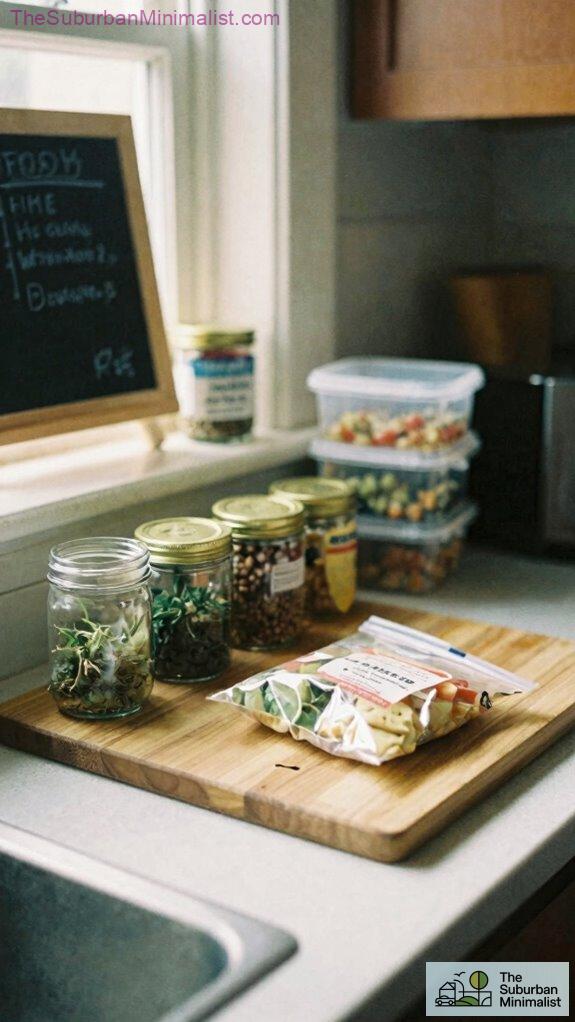
Steady hands beat the clock in a busy kitchen, and the trick is turning that pace into a graceful workflow rather than a scramble. I’ll show you how I keep calm, clever, and in control while I cook, plan, and tidy up.
- Pre-measure a few pantry staples for quick ingredient substitution, so dinners shift without drama.
- Freezer-friendly halves—portion, label, defrost first—so meal planning stays smooth.
- Designate a kaleidoscope of containers for leftovers, avoiding clutter and waste.
- Batch-catch ideas on a chalkboard, then rotate menus week to week.
- Simplify your choices by minimizing decision fatigue, focusing only on what truly matters in your meal routines.
- Consider storing your ingredients and leftovers in acid-free containers or boxes to keep them fresh and avoid spoilage that could lead to waste.
Isn’t innovation tastier when the pantry hums, not crowds? This is why I created this website The Suburban Minimalist.
Handling Special Items and Waste Streams
Handling special items and waste streams is where thoughtful design meets practical grit, and I’ll admit it’s the tricky part of any mindful home.
We chat about composting techniques as a graceful daily ritual, turning kitchen scraps into soil with patience, scent control, and a smile.
Yet hazardous waste disposal demands sharp caution, clear labeling, and a trusted pickup plan, not bravado. Properly managing waste streams can also help reduce environmental impact by ensuring hazardous materials are safely processed and disposed of.
Have you ever surprised yourself by rerouting a stubborn item to a proper channel, rather than the curb? I did, and I felt empowered.
This is why I created this website, The Suburban Minimalist, organically guiding us forward. Understanding waste streams and how they interact is fundamental to creating a sustainable home environment.
Smart Waste Segregation Bins
Ever notice how a simple bin can feel like a tiny, stubborn roommate who refuses to cooperate with your eco-ambitions? I do, and I’m crafting smarter tricks with Smart Waste Segregation Bins, a stylish nudge toward cleaner habits.
Ever notice a simple bin as a stubborn roommate nudging greener habits? I’m crafting smarter tricks with Smart Waste Segregation Bins.
I’m always eyeing composting techniques that actually work, and I adore bins that guide choices, even with biodegradable packaging in mind.
- I see color-coded cues that whisper, “reuse, recycle, refuel.”
- I hear sensors ping when a bag’s too full, a gentle reminder.
- I feel labels that simplify, not overwhelm, supporting modern waste management solutions to enhance efficiency.
- I believe that incorporating stylish floating oak plant shelves can also inspire a more eco-conscious home environment.
- I taste the victory of less waste, daily.
Compact Canister Labeling
I’m always surprised how a simple label can quiet the day’s chaos, and that’s the point of compact canister labeling: clarity you can see at a glance. I’m sharing how I approach this—aesthetic canister designs meeting label customization techniques, with style that still reads as practical. Incorporating minimalist design principles ensures the labels contribute to a clean, cohesive look that enhances overall functionality. Paying attention to pottery or linen material choices can also contribute to the durability and visual harmony of the labels.
Built-In Recycling Alcove
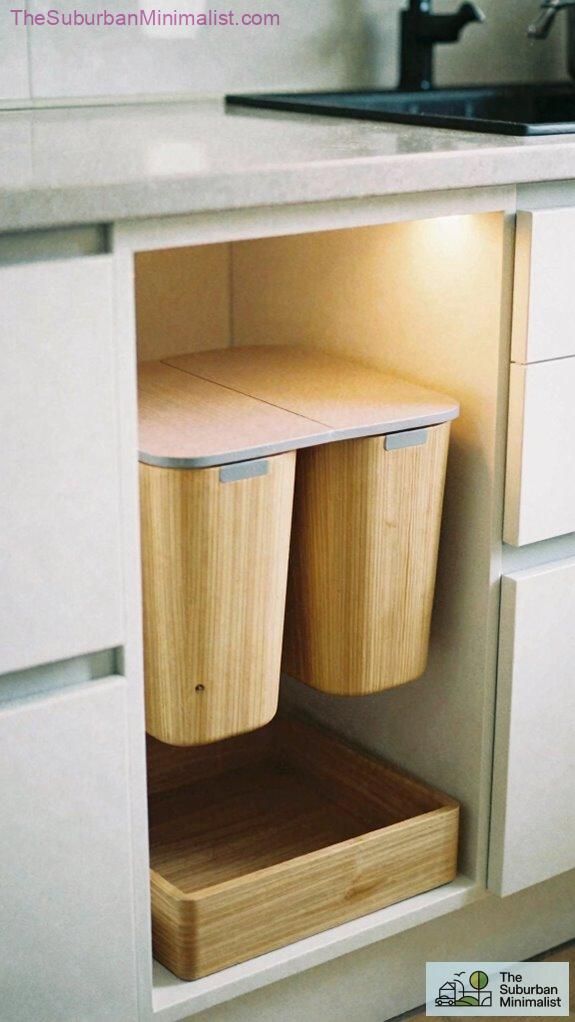
I love a built-in that quietly saves the day, and a recycling alcove does just that—it keeps the mess out of sight while the practice stays front and center.
- I envision a slim, sculptural bin that doubles as art, its lid humming softly with design.
- A dual-chamber system hides scents, while labels read like a boutique sign, whispering “reuse” with flair.
- Soft LED accents glow when you sort, merging waste with waste management aesthetics.
- A hidden pull-out tray makes daily sorting feel effortless, even on rushed mornings.
- Incorporating eco-friendly materials ensures the entire system remains sustainable and environmentally conscious.
- This sleek design not only fits seamlessly into modern homes but also emphasizes the importance of sustainable waste disposal, encouraging eco-conscious habits.
Suburban Minimalism
Suburban Minimalism feels less like a trend and more like a quiet promise that a home can be calm, useful, and beautiful at once. I’m sharing how I blend style with sustainability—so you’ll feel invited, not preached.
Do you notice how outdoor spaces invite neighbors and nature to mingle with design? Outdoor composting fits that charm, turning scraps into soil for herbs I nurture on a sunny balcony. Incorporating electric kitchen composters can make waste disposal even more efficient and eco-friendly.
Waste reduction techniques shape every cupboard, every bin, every routine. Incorporating minimalist design principles helps optimize space while emphasizing simplicity and purpose.
FAQ
How Can I Identify Hidden Odors Indicating Spoilage?
Odor detection matters, so I check for spoilage indicators like sour or musty notes, off-putting flavors, or slimy textures. I trust my nose and senses, using innovation to identify hidden odors before they signal waste.
What Is the Best Disposal Method for Compostable Plastics?
I dispose of compostable plastics by composting only when my local program accepts them; otherwise I curb waste by diverting organics into a certified organic waste system, turning it into nutrient-rich soil instead of landfill.
How Do I Handle Expired Medications Safely at Home?
I handle expired medications by following safe disposal steps, prioritizing home safety. I never flush them; I use take-back programs or mix with undesirable substances, secure, sealed, labeled, and drop them off promptly for proper, innovative disposal.
Can Meat Scraps Be Composted in a Small Urban Yard?
Yes, meat scraps can be composted in a small urban yard, and I’ll prove it with satire that starts fast. Meat scraps, Small urban, Composting tips, Food waste—I’ll turn waste into a surprisingly elegant, innovative soil boost.
Are There Local Programs for Electronic Waste Pickup?
Yes, I know local programs for electronic waste pickup exist. I tap Recycling centers and Community collection locations, then schedule convenient drops. I stay ahead with innovative options, turning e-waste into responsible, streamlined waste solutions.
Summary
So here’s my verdict, friend: waste doesn’t have to crash the vibe of our homes. We sort with intention, weave smart tools into daily life, and let design do the heavy lifting. When I see a perfectly labeled canister or a built-in alcove that hates clutter, I feel a rush—like a tiny win that echoes across the neighborhood. Why I created this site, The Suburban Minimalist? To prove peaceful, practical living can change the world, one bin at a time.